
Assistive Devices for Seniors with Arthritis: A 2026 Guide to Joint Preservation and Independence
- healthyseventy3
- 1 day ago
- 12 min read
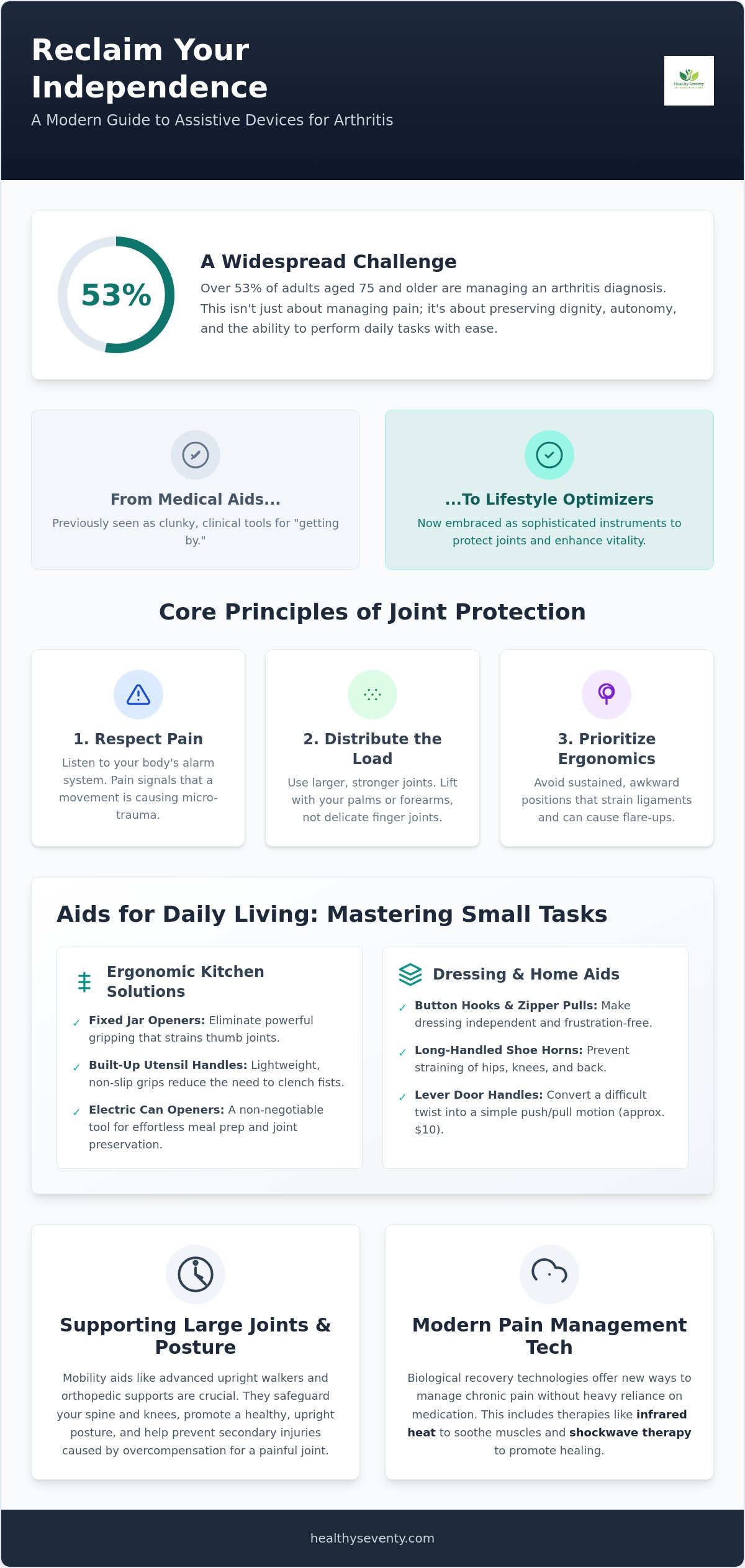
Last Tuesday, Margaret found herself staring at her favorite silk blouse, frustrated because her stiff fingers simply wouldn't cooperate with the tiny buttons. It's a quiet, persistent grief when the simple tasks of dressing or preparing a meal begin to feel like uphill battles against your own body. With over 53 percent of adults aged 75 and older managing an arthritis diagnosis, finding effective assistive devices for seniors with arthritis is no longer just about convenience; it's about preserving your dignity and your legacy. You likely agree that maintaining your autonomy shouldn't feel like a luxury, yet the physical toll of joint degradation often makes your world feel smaller.
This 2026 guide is designed to help you reclaim your vitality and protect your joints using a curated selection of modern wellness technology. You'll learn how to safeguard your mobility and maintain your active lifestyle by choosing tools that work with your body rather than against it. We'll explore everything from orthopedic foundations that restore balance to advanced upright walkers that support spinal alignment and posture. By the end of this article, you'll have a clear roadmap for cooking, dressing, and staying mobile for those cherished family outings without the constant shadow of pain or unnecessary reliance on medication.
Table of Contents
Defining Assistive Devices for Seniors with Arthritis
At its heart, Assistive technology serves as the vital bridge between a physical limitation and a life lived with deep purpose. When we discuss assistive devices for seniors with arthritis, we aren't simply talking about tools for "getting by." We're defining a sophisticated category of instruments specifically engineered to reduce joint stress, increase mechanical leverage, and extend your natural range of motion. By 2026, the perception of these tools has evolved. They've moved from being viewed as clunky medical aids to being embraced as essential lifestyle optimizers. This shift reflects a Vitality Mindset for those over 70, where the focus isn't just on managing a diagnosis, but on optimizing every moment of daily life.
Joint Preservation is the proactive strategy of minimizing wear and tear on cartilage and ligaments to maintain long-term structural integrity and functional independence.
Adopting this mindset means viewing your body as a cherished legacy that deserves protection. It's about recognizing that every time you use a tool to make a task easier, you're saving "joint capital" for the activities that matter most, like playing with grandchildren or traveling. With over 53 percent of adults aged 75 and older managing arthritis, these tools have become the standard for anyone who refuses to let physical stiffness dictate their social or personal schedule.
The Core Principles of Joint Protection
Protecting your joints requires a thoughtful approach to how you move through your home. First, you must learn to respect pain. It isn't a nuisance to be ignored; it's your body's internal alarm system signaling that a specific movement is causing micro-trauma. Second, focus on distributing the load. Instead of using your delicate finger joints to lift a heavy object, use your palms or forearms to shift the weight to larger, stronger muscle groups. Finally, prioritize ergonomic positioning. By avoiding sustained manual positions that strain your ligaments, you can prevent the sharp flares that often follow a busy afternoon of gardening or cooking.
Why Early Adoption Matters
Waiting until a joint is severely damaged to seek help is a common mistake that can lead to a cycle of decline. Early adoption of assistive devices for seniors with arthritis helps prevent secondary injuries. These injuries often occur when you unconsciously overcompensate for a painful knee by putting excessive weight on your hip or lower back. By providing ergonomic support early, you reduce the cumulative inflammatory response that leads to long-term degradation. Most importantly, these tools remove the physical barriers that lead to social isolation. If you can walk comfortably or open a door without hesitation, you stay active and engaged with your community.
Small Joint Aids for Daily Living and Independence
Your hands are your most frequent connection to the world. They're used for everything from holding a pen to hugging a loved one. When Rheumatoid Arthritis (RA) or Osteoarthritis (OA) affects these delicate structures, the resulting stiffness can make even the smallest tasks feel insurmountable. The secret to managing this lies in the simple physics of lever arms. By using tools that increase the diameter of a grip or provide a longer handle, you reduce the internal pressure on your finger joints. This mechanical advantage allows you to perform daily activities without the sharp, stabbing pains often associated with a tight grasp.
Incorporating assistive devices for seniors with arthritis into your morning routine isn't about admitting defeat. It's a strategic choice to protect your joints from unnecessary wear. Many of these aids are surprisingly affordable and easy to install. For example, ergonomic door lever handles can be found for about $10, instantly turning a difficult twisting motion into a gentle push or pull. These small changes add up, preserving your energy and your comfort throughout the day.
Ergonomic Kitchen Solutions
The kitchen is often the heart of the home, but it's also where joint strain is most common. Using fixed jar openers, which typically cost around $15, eliminates the need for a powerful grip that can flare up thumb arthritis. Lightweight utensils with built-up, non-slip handles allow you to prepare meals without clenching your fist. Electric can openers should be considered a non-negotiable tool for joint preservation. They handle the high-torque twisting tasks that are particularly damaging to the small joints of the hand. While you focus on these practical kitchen tools, remember that systemic relief is just as important. Exploring a Home Infrared Sauna for Relaxation can provide the deep, soothing heat needed to calm overall joint inflammation after a busy afternoon of cooking.
Self-Care and Grooming Tools
Maintaining your independence in the bathroom is vital for your dignity. Long-handled sponges and brushes are excellent for reaching your back or legs without excessive bending or shoulder strain. If your grip strength has weakened, faucet levers and tap turners can make turning on the water effortless. For those who enjoy writing or drawing, weighted pens and specialized writing aids provide the stability needed to continue these fine motor hobbies without hand fatigue. Dressing also becomes simpler with zipper pulls and button hooks, while a long-handled shoehorn prevents the need to stoop, protecting your spine and hips simultaneously. These tools ensure that your morning ritual remains a source of comfort rather than a struggle.
Mobility Aids: Supporting Large Joints and Posture
Managing the larger joints of your body, such as the hips, knees, and spine, requires a strategic shift in how you view your daily movement. When these structural foundations are compromised by arthritis, your entire gait changes to compensate for the pain. You might begin to limp or hunch forward, which creates a domino effect of secondary injuries in your lower back or opposite leg. Selecting the right assistive devices for seniors with arthritis isn't just about making walking easier; it's about preserving the long-term structural integrity of your entire frame. As of January 2026, the Centers for Medicare & Medicaid Services expanded coverage for knee braces for osteoarthritis, recognizing that documented pain and reduced mobility are enough to justify these essential supports.
The most fundamental tool in your arsenal is what you put on your feet. Footwear acts as the primary shock absorber for your knees and hips. High-quality orthopedic options provide the stability needed to prevent the micro-shocks that travel up your legs with every step. Without proper arch support and cushioning, your joints take the full brunt of the pavement. For a deeper look at how to secure your foundation, see our guide on the best walking sneakers for balance.
The Upright Walker Revolution
Standard walkers often force you to lean forward, which places significant strain on your wrists and lower back. This hunched posture can lead to chronic spinal compression and increased pain over time. The VOCIC Upright Walker represents a major leap forward in mobility design. By allowing you to stand fully upright and shift your weight onto your padded forearms, it completely spares your delicate wrist joints. This alignment helps reduce lower back arthritis flare-ups by maintaining the natural curve of your spine. It's a tool that doesn't just help you move; it helps you move with the confidence and dignity of a healthy, tall posture, allowing you to walk longer distances with significantly less fatigue.
Advanced Mobility for Active Travel
For longer distances or family outings, you might find that your energy reserves deplete faster than they used to. This is where lightweight mobility scooters become invaluable. They aren't a sign of slowing down. Instead, they're a way to preserve your stamina for the social activities that bring you joy, like exploring a museum or a park with your grandchildren. If you prefer a more manual approach, ergonomic "quad" canes offer a wider base of support than traditional canes, distributing your weight more effectively across the ground. You can explore our full guide on mobility aids for seniors to find the specific tool that matches your lifestyle and activity level.
Modern Wellness Tech for Chronic Pain Management
Moving beyond the physical leverage provided by walkers and kitchen aids, the 2026 approach to arthritis management embraces the power of biological recovery. While traditional braces offer essential external stability, modern wellness technology works from the inside out to address the physiological roots of discomfort. By creating a dedicated "Recovery Sanctuary" in your home, you can transform your daily management routine from a series of chores into a deeply restorative ritual. These assistive devices for seniors with arthritis have evolved into sophisticated instruments that stimulate the body's natural healing processes, offering a proactive way to protect your long-term mobility.
The science of heat has progressed significantly in recent years. Infrared waves penetrate much deeper into the muscle and joint tissue than standard heating pads, which often only warm the surface of the skin. This deep-reaching thermal energy is vital for reaching the synovial fluid and cartilage that require nourishment and oxygenation. By increasing local blood flow, these devices help flush out the inflammatory markers that often accumulate during periods of rest, making your morning movements feel fluid rather than forced.
Infrared Heat Therapy for Joint Stiffness
Integrating a home infrared sauna for elderly users into your routine provides a comprehensive approach to systemic circulation. Consistent thermal therapy has been shown to reduce the duration and intensity of morning stiffness, allowing you to start your day with a sense of ease. When using heat therapy at home, safety is always the priority. Modern units are equipped with precise timers and adjustable intensity settings to ensure a comfortable experience that respects your body's sensitivity. This routine doesn't just soothe your physical frame; it provides a quiet space for mental clarity, which is a cornerstone of holistic health.
Shockwave Therapy and Targeted Relief
For those stubborn "hot spots" like a chronic knee ache or a stiff elbow, shockwave technology offers a precise, localized solution. This non-invasive joint pain relief tech uses gentle acoustic pulses to stimulate cellular repair and improve the health of connective tissues. Having an at-home device means you can address a sudden flare-up the moment it begins, rather than waiting weeks for a specialist appointment. It puts the power of recovery directly in your hands, allowing you to maintain your active lifestyle without interruption. To begin building your own recovery sanctuary, you can explore our full collection of researcher-vetted tools at Healthy Seventy today.
How to Choose the Right Assistive Devices for Your Needs
Selecting the right tools for your journey is a deeply personal endeavor. It requires a quiet moment to reflect on your daily rhythm and identify where physical barriers are beginning to limit your joy. Choosing the right assistive devices for seniors with arthritis isn't about filling your home with gadgets; it's about curated selection. Start by auditing your routine to find your specific "pain points." Is the sharpest discomfort felt when you're gripping a small object, or does it arrive after walking a certain distance? By pinpointing these moments, you can prioritize tools that offer the most immediate impact on your quality of life.
Balance is essential when building your toolkit. You might find that a simple, low-tech solution like a foam grip on a kitchen knife is all you need for meal prep, while your recovery routine benefits from the high-tech efficacy of infrared therapy. When evaluating any device, prioritize durability and weight. A tool that is too heavy to lift or too complex to clean will eventually sit unused. We recommend consulting with an occupational or physical therapist for a customized fitting. These professionals ensure that a device doesn't inadvertently create new pressure points. Remember that in 2026, Medicare Part B typically covers 80 percent of the cost for durable medical equipment deemed medically necessary, provided it's prescribed by a Medicare-enrolled doctor.
Step-by-Step Selection Framework
To find the perfect match for your needs, follow a simple three-step process. First, identify the task that has become difficult or painful. Second, analyze the motion involved. Is the primary problem a lack of grip strength, a limited reach, or an inability to bear weight? Finally, test for comfort. Any device you choose should feel like a natural extension of your body. If a walker or a jar opener creates a new ache in your wrist or shoulder, it isn't the right fit for your unique anatomy.
Integrating Devices into Your Lifestyle
Success with new tools comes from a slow, steady integration. Don't feel pressured to overhaul your entire home in a single day. Instead, introduce one or two tools at a time to build a lasting habit. Strategic home modification also plays a role. Place your reachers and grab bars in the high-traffic areas where you need them most, such as the bathroom or the laundry room. Your "Vitality Kit" should be a living collection. As your needs evolve over time, revisit your choices to ensure your assistive devices for seniors with arthritis continue to support your legacy of independence and active living.
Embrace a Future of Movement and Vitality
Arthritis might change how you approach your daily tasks, but it doesn't have to define the boundaries of your world. By shifting your perspective from merely managing pain to actively optimizing your lifestyle, you've taken the first step toward long-term joint preservation. Your movement matters. Whether you're integrating small joint aids into your kitchen routine or adopting an upright walker to protect your spine, every choice you make is an investment in your future autonomy. These assistive devices for seniors with arthritis are more than just tools; they're the instruments that allow you to continue participating in the family outings and hobbies that define your legacy.
At Healthy Seventy, we're dedicated to acting as your knowledgeable mentor on this journey toward wellness. We provide empathetic guides for proactive living and a specialized focus on upright posture and joint health. You can explore our curated collection of arthritis-friendly wellness tools at Healthy Seventy to find researcher-vetted mobility and pain relief products. Your later years are a significant and cherished phase of life. With the right support, you'll maintain your independence and continue building a vibrant story for years to come.
Frequently Asked Questions
What are the best assistive devices for hand arthritis?
The most effective tools for hand arthritis prioritize reducing grip force and increasing leverage. You should look for built-up handles on utensils, fixed jar openers that eliminate twisting, and electric can openers to spare your finger joints. Utilizing assistive devices for seniors with arthritis like these allows you to perform kitchen tasks without the sharp pain of a tight clench. Lever-style door handles are also excellent for turning a difficult twist into a simple push.
Can assistive devices actually slow down the progression of arthritis?
Yes, these tools can help slow progression by minimizing the mechanical stress and micro-trauma that lead to further joint degradation. When you use ergonomic supports, you avoid the compensatory movements that often cause secondary injuries in neighboring joints. By reducing the cumulative inflammatory response through better load distribution, you preserve your remaining cartilage. It's a proactive way to maintain your structural integrity while staying active in your community.
How do I know if I need an upright walker instead of a standard one?
You likely need an upright walker if you find yourself hunching over a standard frame or experiencing significant wrist and shoulder pain. A VOCIC Upright Walker allows you to stand tall, shifting your weight from your hands to your padded forearms. This posture relief is crucial if you have spinal arthritis or struggle with balance. If you want to walk longer distances without the fatigue caused by a bent-over gait, an upright model is the superior choice.
Are there assistive devices that help with arthritis in the feet and ankles?
Foot and ankle arthritis requires a foundation of stability and superior shock absorption. High-quality orthopedic walking sneakers feature anatomically designed insoles that reduce pressure on the small joints of the foot. These shoes provide the necessary arch support to align your ankles and knees properly. Additionally, using a long-handled shoehorn can prevent the need for painful bending when getting ready for your day, protecting your spine and hips simultaneously.
Does Medicare or insurance cover the cost of arthritis assistive devices?
Medicare Part B generally covers 80 percent of the cost for durable medical equipment that a doctor deems medically necessary. This includes items like walkers, manual wheelchairs, and some specific braces. To qualify, these assistive devices for seniors with arthritis must be prescribed by a Medicare-enrolled physician and obtained from a Medicare-enrolled supplier. It's always wise to check your specific policy for coverage details regarding newer wellness technologies or high-end mobility aids.
What should I look for when buying an infrared sauna for arthritis relief?
When selecting a home infrared sauna for relaxation, prioritize low EMF levels and ease of physical access. Look for models with wide doors or low thresholds that don't require high stepping, which can be difficult with hip or knee stiffness. Ensure the unit has intuitive digital controls and built-in safety timers. A researcher-vetted model will provide the deep, penetrating heat necessary to soothe stiff joints without making the environment uncomfortably hot.
How can I make my bathroom safer if I have severe hip arthritis?
Improving bathroom safety involves reducing the distance you need to lower yourself or reach. Installing a raised toilet seat and strategically placed grab bars can significantly decrease the load on your hip joints. A sturdy shower chair allows you to bathe without the risk of slipping or the fatigue of standing on hard surfaces. These modifications are essential for maintaining your independence and preventing falls in a high-risk area of the home.
Are there specific tools to help with gardening for seniors with arthritis?
Gardening remains accessible when you use tools designed to minimize bending and repetitive gripping. Long-handled trowels and reachers allow you to tend to your plants from a standing or seated position. Look for gardening shears with spring-action handles that do the hard work of cutting for you. Using a padded garden kneeler with sturdy side rails provides a comfortable surface and the necessary leverage to stand back up without straining your knees.
Comments