


Best Home Sauna for Muscle Recovery and Joint Stiffness: A Senior’s Guide (2026)
Updated: 4 days ago
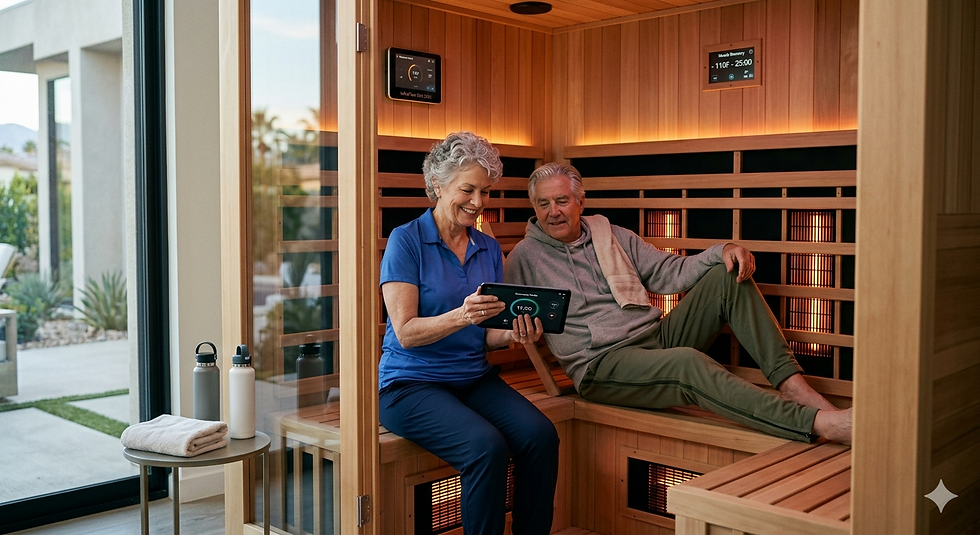
What if the secret to waking up without that familiar morning stiffness isn't found in a pill bottle, but in the gentle, deep-penetrating warmth of your own home? You've likely noticed that a simple walk or a light afternoon in the garden leaves your muscles feeling tighter than they used to; it's frustrating when the activities you love lead to days of slow recovery. You might also find that the intense, suffocating heat of a traditional steam room feels overwhelming rather than restorative. It's a common challenge for those of us over 60, but it shouldn't be the price you pay for staying active.
Finding a home sauna for muscle recovery that fits your lifestyle is about more than just comfort; it's about preserving your independence and long-term vitality. In this guide, we'll explore how modern infrared technology provides a safe, low-impact way to soothe chronic joint pain and improve your sleep quality. We'll look at the specific features that make these saunas ideal for seniors, from accessible designs to lower operating temperatures, ensuring you can build a daily wellness routine that feels as good as it works.
Key Takeaways
Discover how targeted heat supports vascular efficiency to help your body recover more effectively from daily walks and cherished hobbies.
Learn why the lower, more manageable temperatures of a home sauna for muscle recovery offer a more comfortable and breathable experience than traditional high-heat steam rooms.
Find out how to design a safe daily routine by starting with short sessions and consulting your physician to ensure the best results for your unique health needs.
Identify the critical safety standards for your home sanctuary, including the importance of low-EMF heaters and non-toxic, FSC-certified woods.
Table of Contents
Understanding Muscle Recovery and Vitality After 60
As we celebrate our sixties and beyond, the way our bodies respond to movement begins to shift. You might find that a morning walk which once felt effortless now leaves you feeling tight well into the afternoon. This isn't just a sign of "getting older"; it's a physiological change in how your body manages repair. Muscle recovery at this stage of life is essentially a matter of circulation. For a general overview of saunas, one can see how heat has historically been used to bridge this gap. After 60, our vascular efficiency naturally declines, meaning it takes longer for oxygen-rich blood to reach tired tissues. When blood flow slows, metabolic waste stays in the muscles longer, leading to that lingering heavy feeling. Chronic inflammation often joins the party, creating a cycle of daily stiffness that makes you want to move less, even though movement is exactly what you need. This is where a home sauna for muscle recovery becomes a vital tool, acting as a bridge to help your body heal more efficiently.
The Challenge of Sarcopenia and Joint Stiffness
Maintaining independence means maintaining muscle. Sarcopenia, the age-related loss of muscle mass and strength, makes every movement more taxing on your frame. As collagen levels naturally dip, your joints lose the "grease" that keeps them gliding smoothly. You've likely noticed that simply sitting still or resting doesn't always help; in fact, it often makes the stiffness worse. The senior body requires a more proactive approach than traditional rest. We need to encourage cellular repair without adding more stress to fragile joints or overworked ligaments. Without a focused recovery protocol, the simple act of staying active can feel like an uphill battle against your own anatomy.
Why Passive Recovery is a Game Changer for Longevity
Passive recovery is a beautiful concept for anyone prioritizing longevity. It allows you to achieve the physiological benefits of movement, such as increased heart rate and dilated blood vessels, without the physical strain of a high-impact workout. Heat therapy effectively mimics light cardiovascular exercise, gently encouraging the heart to pump more efficiently while you sit in comfort. This internal warmth makes your muscles more pliable and resilient. When your tissues are warm and well-perfused, your risk of a sudden strain or injury during your daily routine drops significantly. Using a home sauna for muscle recovery transforms your downtime into a proactive health session, ensuring you're ready for whatever the next day brings. It is about working with your body's natural rhythms to maintain the vibrant lifestyle you deserve.
The Science of Infrared Heat: Why Deep Tissue Penetration Matters
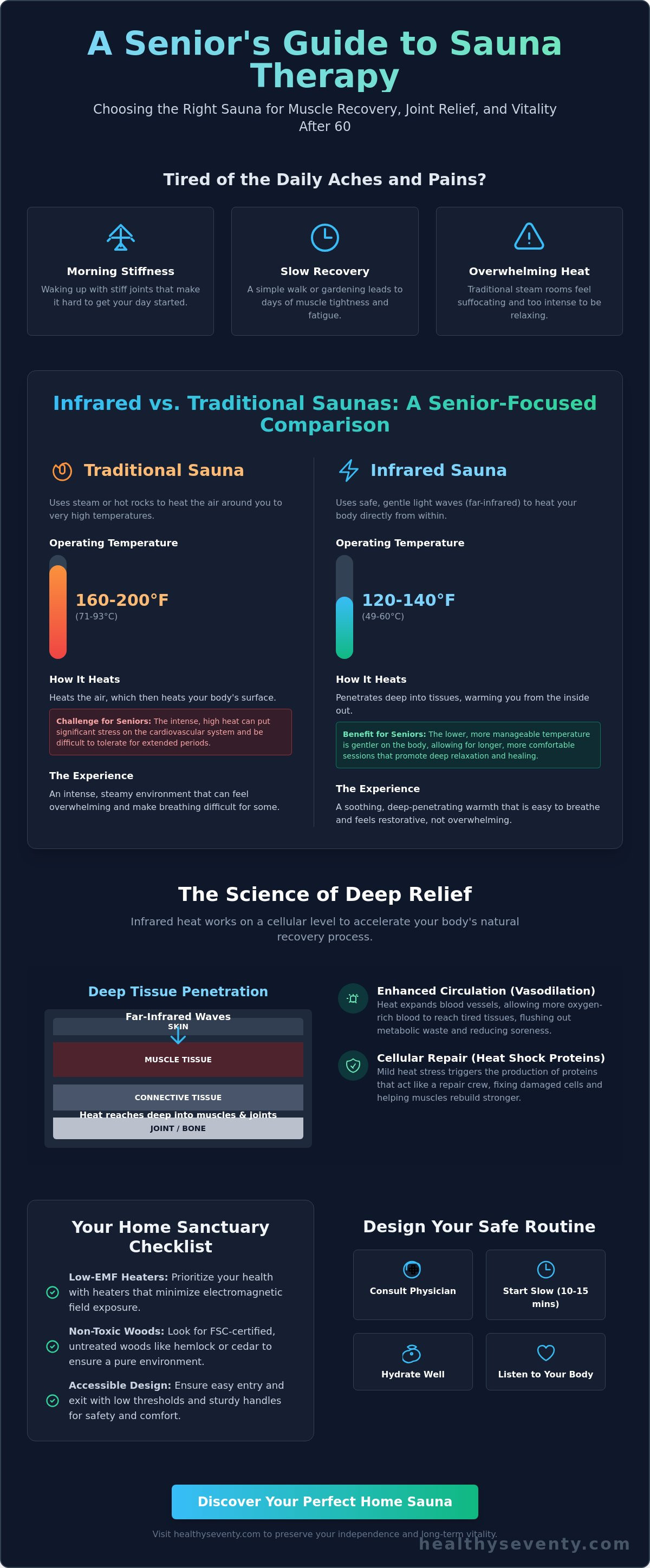
Unlike traditional units that bake the air around you, an infrared home sauna for muscle recovery uses light waves to warm your core directly. Imagine the feeling of stepping into a patch of sunlight on a cool spring morning. That gentle, deep-reaching warmth doesn't just sit on the surface of your skin; it travels inches into your soft tissue. This direct heating method allows you to experience the potential health benefits of saunas at much lower, more tolerable temperatures. By heating the body from the inside out, infrared triggers a process called vasodilation. Your blood vessels expand, creating more room for oxygen-rich blood to flow into those stubborn, achy spots in your knees and hips. This process effectively flushes out metabolic waste and lactic acid that can pool in your muscles after a busy day.
While you're relaxing, your body is busy on a cellular level. The mild heat stress triggers the production of heat shock proteins. These specialized molecules act like a repair crew for your cells, fixing damaged proteins and ensuring your muscles can rebuild after a day of activity. It's a natural maintenance system that becomes even more important as our internal repair mechanisms slow down with age. By supporting these proteins, you're giving your body the tools it needs to maintain vitality and strength.
Far-Infrared vs. Near-Infrared for Recovery
Wavelengths matter when you're looking for relief. Near-infrared is wonderful for skin health and surface-level healing, but far-infrared (FIR) is the true workhorse for deep muscle relief. FIR waves penetrate deep enough to reach the belly of the muscle and the connective tissues surrounding your joints. For many seniors, choosing a model with low-EMF technology is a top priority to ensure the environment remains as pure and safe as possible. This ensures your recovery time is both effective and health-conscious.
Circulation: The Highway to Healing
Think of your circulatory system as a delivery service. When blood flow increases, it brings a fresh supply of nutrients and amino acids directly to the areas that need them most. This improved circulation can be especially helpful if you experience the tingling or numbness associated with peripheral neuropathy, as it encourages better nerve health. As your core temperature rises, your heart rate increases slightly, which strengthens your vascular walls and improves overall heart efficiency without the impact of a treadmill. If you're ready to bring this restorative technology into your own space, a home infrared sauna for relaxation can be a transformative addition to your wellness suite.
Comparing Home Sauna Options: Traditional vs. Infrared for Seniors
Choosing the right environment for your wellness journey often comes down to how your body handles heat. Traditional Finnish saunas are the classic choice, but they operate at intense temperatures, often reaching between 160°F and 200°F. For many adults over 60, this level of heat can feel punishing rather than restorative. In contrast, an infrared home sauna for muscle recovery operates at a much milder 120°F to 150°F. Because the infrared waves heat your body directly rather than just the air around you, you get the same deep-tissue benefits without the stifling atmosphere. This makes the experience much more approachable for daily use, allowing you to focus on the relief rather than the clock.
Breathability is another significant factor for those of us who might have respiratory sensitivities or simply dislike the "heavy" feeling of steam. Traditional saunas rely on high humidity and splashing water over hot rocks, which can make the air feel thick and difficult to inhale. Infrared cabins provide a dry, clear environment where the air remains easy to breathe throughout your entire session. This clarity is a major reason why experts, including those at the Cleveland Clinic on sauna benefits, highlight how these tools can soothe sore muscles and improve stiffness for those with chronic conditions. Maintenance is also much simpler; without the presence of water or steam, you don't have to worry about the mold or mildew issues that often plague traditional steam rooms.
Safety and Comfort Factors for the 60+ Demographic
Lower temperatures are significantly easier on the cardiovascular system. When the heat is more manageable, your heart doesn't have to work quite as hard to keep you cool, which is a safer profile for those managing blood pressure or heart health. This gentle approach allows for longer sessions. Instead of rushing out after five minutes because the air is too hot, you can comfortably stay for 20 minutes, giving the heat enough time to reach deep into your joints. If you have conditions that are aggravated by high humidity, the dry heat of an infrared unit provides a sanctuary that won't trigger discomfort.
Installation and Space Requirements
Practicality is just as important as the health benefits. Most 1-person or 2-person infrared models are "plug-and-play," meaning they use a standard 120V household outlet. You won't need to hire a licensed electrician for a dedicated 240V circuit, which can save you between $250 and $900 in installation costs. When deciding on size, consider your personal comfort. A 1-person unit is compact and fits easily in a spare bedroom, but a 2-person model offers extra room to stretch your legs, which can be a blessing if you're dealing with hip or knee stiffness. These units are designed to be a seamless, stress-free addition to your home sanctuary.
Designing Your Recovery Routine: Safety and Practical Tips
Designing a wellness routine is a deeply personal journey. It isn't just about the equipment; it's about how you integrate these moments of warmth into your life with care and intention. Before your first session, your very first step should be a conversation with your physician. This is especially important if you manage your health with blood pressure medications, as heat therapy can influence how these treatments interact with your circulation. Once you have professional guidance, start slow. Set your home sauna for muscle recovery to a modest temperature and limit your first few sessions to 10 or 15 minutes. This gentle introduction allows your heart and blood vessels to acclimate without stress.
Hydration is another area where a tailored approach makes a world of difference. While standard advice often stops at drinking plain water, the senior body benefits significantly from electrolyte support. When you sweat, you're losing more than just fluid; you're losing minerals like sodium and potassium that are vital for nerve and muscle function. Sipping an electrolyte-rich beverage before and after your session helps maintain your internal balance. After you step out, take five minutes for light, seated stretching. Because your muscles are at their most pliable when warm, this is the perfect window to improve your range of motion and lock in those flexibility gains.
When to Use Your Sauna for Best Results
The time of day you choose can significantly impact your daily vitality. A morning session is an excellent way to gently "loosen up" joints that feel stiff or stubborn after a night's sleep. It sets a positive, mobile tone for the rest of your day. If your goal is better rest, an evening session can be transformative. By raising your core temperature and then allowing it to drop as you cool down, you help trigger your body's natural sleep signals. For those days when you've been more active than usual, using the sauna shortly after your walk or garden work can help prevent next-day soreness from setting in.
Listening to Your Body: Red Flags to Watch For
Safety is the foundation of any successful recovery routine. It's important to recognize the difference between a healthy, productive sweat and the early signs of heat exhaustion. If you ever feel lightheaded, nauseated, or notice a sudden rapid pulse, listen to that signal and exit the sauna immediately to cool down. For your peace of mind, we recommend having a landline personal emergency alert device nearby during your sessions. This simple precaution ensures that help is always just a button-press away while you focus on your well-being. If you are ready to begin experiencing these daily benefits, our home infrared sauna for relaxation provides the perfect sanctuary for your recovery journey.
Curating Your Home Sanctuary: What to Look for in a Senior-Friendly Sauna
Building a sanctuary within your own walls is a profound way to honor your health and independence. When you are evaluating a home sauna for muscle recovery, the quality of the materials is just as important as the technology itself. We recommend looking for FSC-certified woods like Canadian Hemlock or Red Cedar. These woods are naturally resistant to moisture and heat, but more importantly, they're chosen for their low-VOC (volatile organic compound) profile. In a heated, enclosed space, you want to ensure the air you breathe is as pure as possible, free from the off-gassing of industrial adhesives or treated lumbers. High-quality models in 2026 often undergo independent third-party testing to verify these safety standards, ensuring a clean environment for your daily retreat.
The heart of your sanctuary lies in the heating elements. For maximum safety, prioritize low-EMF (electromagnetic field) and low-ELF (extremely low frequency) carbon heaters. Premium brands now use rigorous testing to verify these levels, often aiming for targets below 3mG to protect your long-term health. Beyond the technical specs, look for practical features that provide peace of mind. An easy-to-read digital control panel is essential, and having one located both inside and outside the cabin allows you to adjust your session without having to step out into the cooler air. Safety features like automatic shut-off timers and tempered glass doors should be standard requirements for any unit you consider.
The Healthy Seventy Selection Criteria
Our approach to vetting equipment goes beyond the standard spec sheet. We look for design elements that specifically address the needs of an older demographic, such as ease of entry and the strategic placement of interior handles. For instance, a senior-friendly bench should ideally sit between 17 and 19 inches high to make sitting and standing effortless. We also value features that support your mental and social well-being, such as built-in chromotherapy. This light therapy uses specific colors to help balance your mood and improve mental clarity. When paired with an integrated sound system for a meditative experience, your home sauna for muscle recovery becomes a holistic retreat for both your body and your spirit.
Making the Investment in Your Future Self
Choosing to bring a sauna into your home is like taking out a long-term mobility insurance policy. It's a commitment to your future self, ensuring you have the tools to manage stiffness and pain without the stress of traveling to a local gym or navigating public locker rooms. You deserve a recovery routine that is consistent, private, and tailored to your comfort. By investing in a high-quality unit now, you're securing a future filled with more morning walks and fewer days sidelined by joint discomfort. If you're ready to transform your daily health, we invite you to explore our curated collection of home infrared saunas designed specifically for senior wellness and vitality.
Your Path to Lasting Mobility and Comfort
You've explored how targeted infrared warmth acts as a gentle ally for your vascular health and how the right recovery routine can transform your mornings. By prioritizing deep-tissue penetration over suffocating air temperatures, you're choosing a path that respects your body's changing needs while fostering true resilience. A dedicated home sauna for muscle recovery isn't just a luxury; it's a practical tool for maintaining the active, independent lifestyle you've worked so hard to build. It's about ensuring that a day spent with family or in the garden doesn't result in a week of stiffness.
At Healthy Seventy, we believe the later stages of life should be defined by vitality rather than limitation. Our selection is curated by senior wellness specialists who prioritize strict Low-EMF safety standards and ergonomic designs that facilitate ease of use. We provide detailed guides for aging in place to ensure your home sanctuary remains a safe, restorative environment for years to come.
Browse Our Expert-Vetted Home Saunas for Senior Recovery and take the first step toward a more vibrant, pain-free tomorrow. You have the wisdom to make the best choices for your well-being, and we're honored to be your partner in this journey toward a healthier lifestyle.
Frequently Asked Questions
Is an infrared sauna safe for seniors with high blood pressure?
You should always consult your physician first, as heat therapy can cause your blood pressure to fluctuate. While the gentle warmth of infrared heat encourages vasodilation and can temporarily lower blood pressure, it may interact with certain medications. Your doctor can help you determine a safe duration and temperature that aligns with your specific cardiovascular health and treatment plan.
How many times a week should a 70-year-old use an infrared sauna?
Most seniors find that three to four sessions per week provide a wonderful balance of relief and relaxation. It's best to start with just one or two sessions to see how your body responds to the heat. As you become more comfortable and stay well-hydrated, you can gradually increase the frequency to a daily routine if your physician approves.
Can infrared saunas help with arthritis and chronic joint pain?
Yes, infrared heat is highly effective at soothing the discomfort associated with arthritis and chronic stiffness. The light waves penetrate deep into the joints, helping to reduce inflammation and increase the pliability of connective tissues. Using a home sauna for muscle recovery can significantly improve your range of motion, making daily tasks like climbing stairs or reaching for cupboards much easier.
What is the best temperature for an infrared sauna session for older adults?
A temperature range between 120°F and 140°F is generally the most comfortable and effective "sweet spot" for seniors. This range provides the deep-tissue benefits you need without placing undue strain on your heart or respiratory system. Remember that the goal is a gentle, productive sweat rather than the intense, overwhelming heat found in traditional steam rooms.
Do I need a special electrical outlet for a home infrared sauna?
Many compact one-person and two-person infrared models are "plug-and-play" and use a standard 120V household outlet. This makes installation simple and avoids the need for expensive electrical work. However, larger units or traditional models typically require a dedicated 240V circuit, which necessitates hiring a licensed electrician to ensure your home's wiring meets the National Electrical Code requirements.
Can I use an infrared sauna if I have a pacemaker or joint replacements?
You must speak with your cardiologist or orthopedic surgeon before using a sauna if you have any internal medical devices or implants. While many modern hip and knee replacements are unaffected by infrared heat, pacemakers and other electronic implants can be sensitive to both heat and electromagnetic fields. Safety is the priority, so professional medical clearance is a mandatory first step.
How long does it take to see results in muscle recovery and flexibility?
Many people notice an immediate reduction in muscle tension and joint "heaviness" after their very first twenty-minute session. For long-term improvements in chronic flexibility and mobility, consistency is key. You'll likely begin to see more significant and lasting changes in your daily comfort levels after four to six weeks of regular, three-times-weekly use.
Is it better to use the sauna before or after a walk?
Using your home sauna for muscle recovery after a walk is generally more beneficial for preventing next-day stiffness. The heat helps flush out metabolic waste and keeps your muscles from tightening up as they cool down. While a short pre-walk session can help "loosen" stiff joints, the post-activity window is the most effective time to support your body's natural repair process.


Comments