


Improving Senior Mobility: Guide to Active Independence
Updated: 2 days ago

What if the secret to maintaining your independence after seventy isn't about avoiding movement to stay safe, but about rediscovering it with the right support? Many of us feel that chronic joint stiffness and a growing fear of falling are simply inevitable parts of aging. It's a heavy burden to carry when the activities you love, like traveling or playing with your grandchildren, start to feel out of reach. You might even feel overwhelmed by conflicting advice on how to improve mobility in seniors without accidentally causing an injury.
We believe your later years should be a time of vitality, not restriction. This guide offers a comprehensive, expert-backed roadmap to restoring the strength and balance you need for a vibrant life. We'll explore a three-pillar system that combines intentional movement, cellular nutrition, and ergonomic tools like posture-correcting walkers and specialized footwear. By the end of this article, you'll have a clear, actionable plan to reduce pain, prevent falls, and reclaim the freedom of movement you deserve.
Table of Contents
The Foundation of Vitality: Understanding Mobility as We Age
Movement as Medicine: Targeted Exercises for Strength and Balance
Fueling the Joints: Nutrition and Hydration for Fluid Movement
Designing for Independence: Essential Mobility Aids and Home Safety
Building a Sustainable Mobility Routine: Your Path to Lasting Freedom
The Foundation of Vitality: Understanding Mobility as We Age
Mobility is the fundamental ability to navigate your world safely and on your own terms. It isn't just about walking from one room to another; it's about the confidence to visit a museum, reach for a high shelf, or enjoy a stroll through the park without a second thought. As we cross the threshold of sixty, our bodies undergo natural shifts. Muscle mass begins to decline, a process known as sarcopenia, and our joints lose some of their youthful elasticity. These changes are real, but they don't have to define your future or limit your independence.
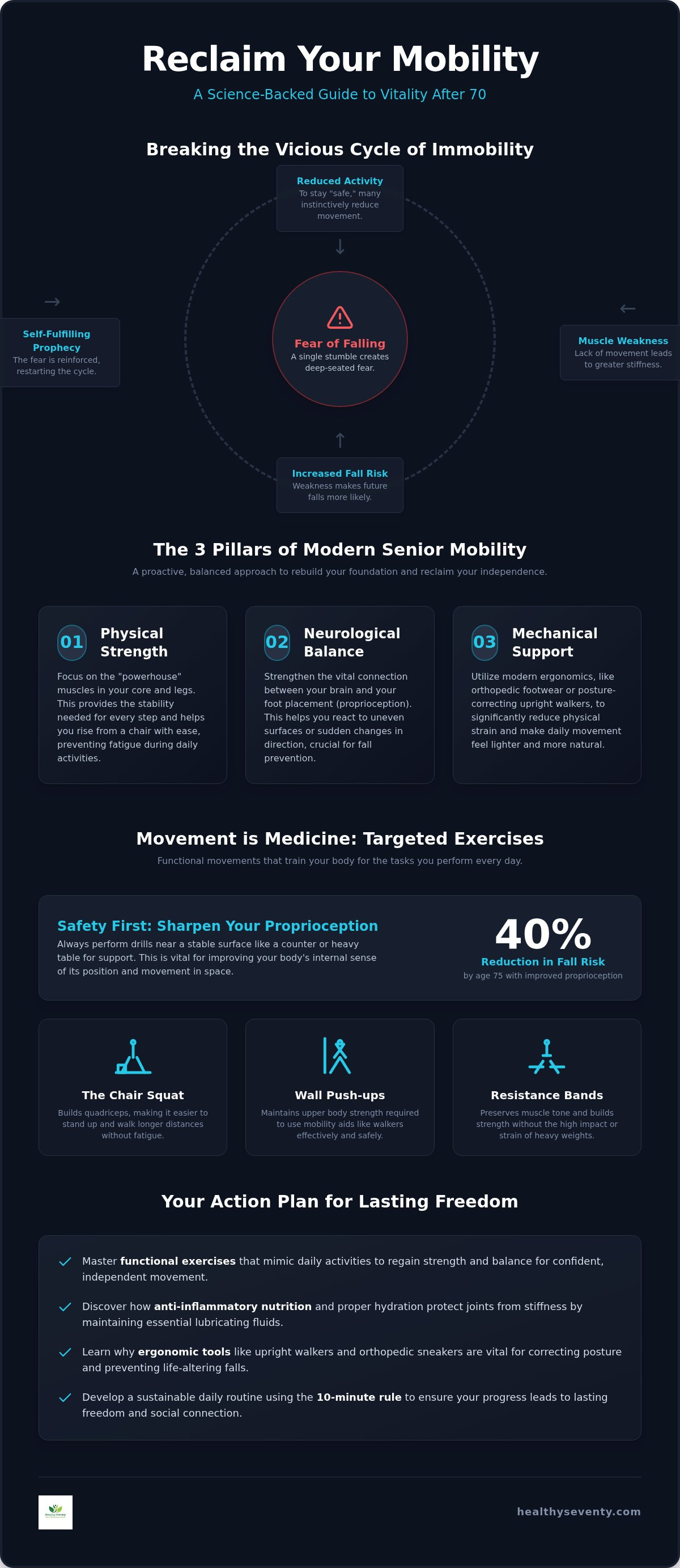
Understanding how to improve mobility in seniors starts with breaking the "mobility cycle." This is a common psychological trap where a single stumble or a feeling of persistent stiffness creates a deep-seated fear of movement. To stay "safe," many people instinctively reduce their activity. Unfortunately, this lack of movement leads to even greater stiffness and muscle weakness, which actually increases the risk of future falls. It's a self-fulfilling prophecy that limits your world. At Healthy Seventy, we believe that mobility is a skill you can reclaim rather than a resource you simply lose. It requires a proactive mindset, consistent practice, and the right tools to rebuild your foundation.
The Three Pillars of Modern Senior Mobility
To move well, you need a balanced approach that addresses three distinct areas. First is Physical Strength. Focusing on the "powerhouse" muscles in your core and legs provides the stability needed for every step and helps you rise from a chair with ease. Second is Neurological Balance. This is the vital connection between your brain and your foot placement, which helps you react to uneven surfaces or sudden changes in direction. Finally, we look at Mechanical Support. Modern ergonomics, such as specialized orthopedic footwear or upright walkers designed for posture correction, can significantly reduce the physical strain on your body, making daily movement feel lighter and more natural.
Why 2026 is the Best Year to Improve Your Movement
We are living in an era of incredible innovation for active aging. Advancements in lightweight materials have transformed mobility aids and footwear, making them more effective and far less cumbersome than the heavy equipment of the past. We also have a deeper understanding of how to improve mobility in seniors through biological recovery. New research highlights how non-invasive therapies, such as using a home infrared sauna to soothe deep tissue or maintaining precise hydration to support joint lubrication, can make a measurable difference in how you feel. There's a powerful societal shift happening; we're moving away from passive aging and toward a culture that celebrates proactive wellness and lasting vitality for everyone over seventy.
Movement as Medicine: Targeted Exercises for Strength and Balance
When we discuss how to improve mobility in seniors, the most powerful tool isn't a prescription. It's movement. Think of exercise as medicine that specifically targets the areas where you feel most restricted. By prioritizing functional movements, you're training your body for the tasks it performs every day. Standing up from a chair or reaching for a cupboard shouldn't feel like a hurdle. These movements mimic daily life, ensuring your training translates directly into lasting independence.
Before you begin any routine, remember the "Safety First" rule. Always perform these drills near a stable surface, such as a sturdy kitchen counter or a heavy table, to provide immediate balance support. This is particularly vital for sharpening your proprioception. Proprioception is the body's internal sense of its position and movement in space, and improving this neurological connection can contribute to a 40% reduction in fall risk by age 75. Safety isn't a sign of weakness; it's the foundation of your progress.
Strength Training Without the Gym
You don't need a weight room to see significant results. Simple, consistent resistance work preserves muscle and bone density. Focus on these three areas:
The Chair Squat: Stand in front of a sturdy chair. Slowly lower yourself until your seat nearly touches the cushion, then stand back up. This builds the quadriceps, making it easier to walk longer distances without fatigue.
Wall Push-ups: Stand arm-length from a wall and place your palms flat. Bend your elbows to bring your chest closer, then push back. This maintains the upper body strength required to use mobility aids effectively.
Resistance Band Basics: Using gentle tension from a band helps preserve muscle tone without the strain of heavy weights.
Balance and Flexibility Drills
Balance is a skill that requires daily recalibration. When your gait feels more precise, your confidence grows. Try these practices to stay steady on your feet:
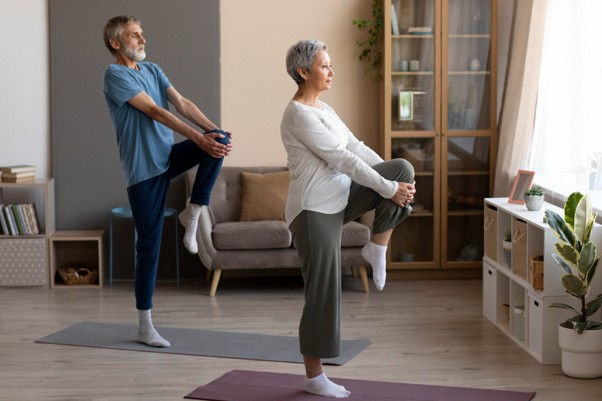
The Single-Limb Stance: Hold onto a counter and lift one foot for 30 seconds. This habit helps recalibrate the inner ear and improves your center of gravity.
Heel-to-Toe Walking: Walk in a straight line, placing the heel of one foot directly in front of the toes of the other. This increases gait precision and helps prevent tripping over small obstacles.
Gentle Yoga and Tai Chi: These practices are the gold standards for fluid movement. They combine deep breathing with mindful stretches to reduce joint stiffness.
If you currently face significant mobility restrictions, start with "Micro-Movements." Even small actions like ankle circles or seated leg lifts keep your circulation moving and your joints lubricated. Every bit of effort counts. For more personalized guidance on staying active, you can explore the resources at Healthy Seventy to find the right path for your journey.
Fueling the Joints: Nutrition and Hydration for Fluid Movement
While physical exercise builds the external framework of independence, your internal biology provides the "oil" that keeps the machine running smoothly. Understanding how to improve mobility in seniors requires a holistic look at what we consume. Every step you take relies on the health of your connective tissues, the density of your bones, and the lubrication within your joints. Without the right fuel, even the most dedicated exercise routine can feel like an uphill battle against persistent stiffness and discomfort.
Inflammation is often the silent thief of movement. When your body is in a constant state of low-grade inflammation, joints swell and muscles feel perpetually tight. Adopting anti-inflammatory eating patterns, such as the Mediterranean or DASH diets, can significantly reduce this mobility-limiting pain. These approaches prioritize whole foods that actively soothe your system, allowing you to move with greater ease and less reliance on temporary relief measures.
The Hydration-Mobility Connection
Dehydration is a frequent but overlooked cause of joint "grinding." Your joints are cushioned by synovial fluid, a thick liquid that reduces friction between cartilage. When you don't drink enough water, this fluid thins out, leading to increased wear and tear. Most health experts suggest that seniors should aim for consistent intake throughout the day, even if they don't feel thirsty, as the thirst mechanism naturally weakens with age.
Quality is just as important as quantity. Contaminants in standard tap water can sometimes contribute to systemic inflammation, affecting your general vitality. Investing in senior friendly water filtration systems ensures that the water reaching your cells is pure and supportive of your health goals. A countertop reverse osmosis water filter is an excellent choice for cellular health, as it removes impurities that might otherwise hinder your recovery and fluid movement.
Essential Nutrients for Aging Connective Tissue
To maintain structural integrity, your body needs specific building blocks. Vitamin D and Calcium are well-known for bone strength, but other nutrients play equally vital roles in how to improve mobility in seniors:
Collagen and Protein: These are the essential building blocks for repairing the tendons and ligaments that hold your joints together.
Omega-3 Fatty Acids: Found in fatty fish and flaxseeds, these act as nature's lubricant for stiff knees and hips.
Magnesium: This mineral is key to preventing the muscle cramps and spasms that can suddenly hinder a steady gait.
By combining these nutritional strategies with the movement patterns we've already discussed, you create a powerful synergy. You aren't just moving your body; you're nourishing it from the inside out to ensure your freedom of movement lasts for years to come.
Designing for Independence: Essential Mobility Aids and Home Safety
For many, the idea of using a walker feels like a concession to age. We encourage you to shift that narrative. These tools aren't signs of decline; they are freedom machines that empower you to take longer excursions and stay engaged with your community. When considering how to improve mobility in seniors, the environment and the equipment you choose are just as critical as the exercises you perform. By integrating the right support, you aren't just getting around; you're protecting your spinal health and preserving your energy for the things you love.
The choice of equipment matters deeply for your long-term vitality. Traditional walkers often force a hunched posture, which can compress the spine and limit lung capacity over time. In contrast, an upright walker promotes a natural, vertical alignment. This shift in mechanics helps you breathe better and move with greater dignity. Your foundation starts at the ground level, too. Without supportive footwear, even the best mobility aid can't prevent a stumble. Choosing the best walking sneakers for balance ensures that every step is cushioned and stable, providing the grip needed for various surfaces.
The Upright Advantage: Posture and Confidence
The VOCIC Upright Walker is a prime example of how modern design supports the human body. By using forearm supports, it redistributes your weight and reduces the strain on your wrists and shoulders. Most importantly, it allows you to look forward at the world rather than down at your feet. This forward-facing gaze improves your balance and boosts your confidence in crowded or uneven spaces. For those navigating chronic back pain, an upright walker is often a superior choice because it maintains the natural curve of the spine while providing rock-solid stability.
Recovery and Maintenance Tools
Recovery is a vital part of learning how to improve mobility in seniors. After a day of activity, using a home infrared sauna can be a transformative way to soothe tired muscles. The gentle heat therapy increases blood flow to stiff extremities, aiding the natural repair process and reducing inflammation. If you find that chronic joint pain remains a barrier despite your efforts, non-invasive options like a shockwave therapy device can target deep-seated stiffness without the need for surgery. These technologies work together to ensure your body stays as fluid and resilient as possible.
To explore our full range of researcher-vetted tools and find the perfect fit for your lifestyle, visit Healthy Seventy and discover how to build your personal roadmap to independence.
Building a Sustainable Mobility Routine: Your Path to Lasting Freedom
Reclaiming your freedom isn't a race; it's a series of small, intentional choices. When people ask how to improve mobility in seniors, they often expect a grueling regimen. The truth is far simpler. Starting with the "10-minute rule" helps you build momentum without feeling overwhelmed. If you can commit to just ten minutes of purposeful movement today, you've already succeeded. Consistency matters far more than intensity. It's about showing up for yourself every day, even when the progress feels slow. Over time, these brief windows of activity accumulate into a foundation of lasting strength.
Don't underestimate the power of social connection in this journey. Walking with a friend or joining a community group transforms exercise from a chore into a cherished social event. This "social mobility" provides a double benefit. It keeps you physically active while nourishing your mental well-being. When you're laughing and sharing stories, you'll likely find you've walked further than you ever imagined. It's much easier to stay committed when someone is waiting for you at the park or the community center.
Tracking your progress shouldn't be about obsessing over numbers, steps, or walking speed. Instead, look for the small wins in your daily life. Can you reach the top shelf more easily than last month? Do you feel more stable when getting out of bed? These are the metrics of true success. Remember that mobility is a lifelong journey of consistency, not a final destination of perfection. Celebrate the fact that you're moving better today than you were yesterday.
Creating Your Daily Mobility Ritual
A structured routine helps turn movement into a natural part of your day. In the morning, focus on gentle stretching and hydration to "wake up" your joints and replenish the synovial fluid we discussed earlier. Mid-day is the perfect time for more active movement, whether that's a walk with your upright walker or a dedicated chair routine. As evening approaches, prioritize recovery. Use heat therapy to soothe your muscles or wear supportive orthopedic footwear around the house to maintain a stable foundation even while relaxing.
When to Seek Professional Guidance
While proactive living is essential, it's equally important to recognize when you need expert eyes on your progress. Identifying "red flag" pains, such as sharp, shooting sensations, sudden swelling, or a loss of feeling in your extremities, is vital. These require a physical therapist's evaluation to ensure you aren't pushing through an injury. When you speak with your primary care physician, be specific about your goals, such as wanting to play with your grandchildren or travel more comfortably. They can help integrate specialized mobility aids for seniors into a professional rehabilitation plan tailored to your unique needs.
Embrace Your Journey Toward Lasting Independence
Reclaiming your independence isn't a distant dream; it's a reality built on the small, intentional choices you make every day. We've explored how a holistic approach, blending functional exercise with anti-inflammatory nutrition and modern ergonomic tools, provides a comprehensive answer for how to improve mobility in seniors. By focusing on consistency through the 10-minute rule and supporting your body with researcher-vetted solutions, you can move past the fear of falling and return to the activities that bring you the most joy. Your later years are meant for living fully, not for restriction.
At Healthy Seventy, we're dedicated to providing empathetic guidance and expert-curated mobility solutions specifically for the 70+ community. We pride ourselves on being a partner in your wellness journey, offering trusted resources that help you age in place safely and confidently. Whether you're seeking relief from stiffness or looking for the best tools to support your stride, our mission is to empower your movement and celebrate your vitality.
Are you ready to transform your daily walks into a source of strength? Discover the VOCIC Upright Walker and Regain Your Independence Today. You can also explore our full range of wellness resources at Healthy Seventy. Your path to freedom starts with a single, confident step.
Frequently Asked Questions
Is it possible to improve mobility after age 70?
Yes, it's absolutely possible to regain strength and flexibility well into your seventies and beyond. Your body remains remarkably adaptable; even gentle, consistent movement can trigger improvements in muscle tone and coordination. By treating mobility as a skill rather than a declining resource, you can rebuild the confidence needed to stay active. It's never too late to start a personalized plan for how to improve mobility in seniors.
How much daily exercise do seniors need for mobility?
Consistency is more important than the total minutes spent exercising. We recommend starting with the 10-minute rule, which focuses on brief periods of daily movement. This approach prevents burnout and reduces the risk of injury while building a sustainable habit. Aim for functional exercises that mimic daily tasks, like chair squats or wall push-ups, to ensure your efforts directly translate into easier movement during your normal routine.
What is the best type of walker for improving posture?
An upright walker, such as the VOCIC Upright Walker, is the superior choice for those looking to maintain proper spinal alignment. Unlike traditional walkers that often cause users to hunch forward, upright models allow you to stand tall and look ahead. This ergonomic design reduces strain on your back and shoulders while also improving lung capacity. It's a vital tool for anyone prioritizing posture alongside their independence.
Can certain foods actually help with joint stiffness?
Yes, anti-inflammatory foods play a significant role in reducing joint discomfort and stiffness. Diets rich in Omega-3 fatty acids, like salmon or flaxseeds, act as natural lubricants for your joints. Magnesium-rich foods help prevent the muscle cramps that often hinder a steady gait. By nourishing your body with these essential nutrients, you support the internal biology required for fluid, pain-free movement throughout the day.
What are the early warning signs of declining mobility?
Early signs often include "furniture surfing," where you find yourself reaching for tables or walls for support while walking. You might also notice increased difficulty rising from a low chair or a growing hesitation when stepping onto uneven surfaces. Recognizing these subtle shifts early allows you to take proactive steps. Addressing these concerns now helps prevent the "mobility cycle" of fear and further stiffness from taking hold.
How do I choose the right walking shoes for balance?
Look for orthopedic sneakers, such as those from Orthofeet, that provide a wide toe box and robust arch support. A stable foundation is essential for preventing trips and maintaining balance on different terrains. Ensure the shoes have non-slip soles and a secure fastening system to keep your feet properly aligned. The right footwear acts as the base for your entire mobility strategy, giving you the confidence to walk further.
Are home infrared saunas safe for seniors with mobility issues?
Home infrared saunas are excellent tools for soothing the deep-seated muscle stiffness that often accompanies mobility challenges. The gentle heat increases circulation to your extremities, aiding in recovery after a walk or exercise session. They are generally safe when used correctly, but it's important to stay hydrated and listen to your body's signals. Many seniors find this non-invasive therapy helps them feel more limber and ready for daily activity.
What is the fastest way to improve balance and prevent falls?
The most effective way to see rapid results is by combining functional strength training with proprioception drills. Exercises like the single-limb stance help recalibrate your brain's connection to your foot placement, which is a key factor in fall prevention. When you pair these drills with the right mechanical support, you create a powerful synergy. This balanced approach is the most reliable method for how to improve mobility in seniors quickly and safely.


Comments