
Infrared Heat Therapy for Seniors: Safety and Science
- healthyseventy3
- 23 hours ago
- 13 min read
What if the most effective way to soothe your aching joints wasn't found in a medicine cabinet, but in the gentle, invisible light of the sun? While a standard heating pad only warms the surface of your skin, infrared heat therapy for seniors penetrates deeper to target the source of chronic stiffness and arthritis pain. It's a cellular-level restorative tool designed to support your body's natural healing processes rather than just masking the symptoms.
You've likely tried various creams and wraps, only to find the relief is fleeting and the cold in your extremities remains. It's completely normal to feel skeptical of new technology, especially when your priority is maintaining your independence and safety. We understand that you're looking for reliable, natural ways to manage pain without constantly increasing your medication.
In this article, you'll discover how infrared therapy supports senior vitality by improving cardiovascular health and promoting deeper, more restful sleep. We'll provide a clear, research-backed look at the science of these FDA-cleared devices and offer practical safety precautions for home use. By the end, you'll have a thorough understanding of how to use this gentle warmth to reclaim your mobility and comfort.
Table of Contents
What is Infrared Heat Therapy and How Does it Support Aging?
Infrared heat therapy is a non-invasive approach that uses specific wavelengths of light to deliver soothing, deep-tissue warmth. Unlike traditional heating methods that rely on hot air or surface contact, this technology uses light energy to penetrate the body directly. You can think of it as the "gentle sun." It provides that deep, soul-warming heat you feel on a clear day, but without any of the harmful ultraviolet (UV) rays that damage the skin. For many, an infrared sauna becomes a sanctuary where the body can rest and recover without the intense, stifling humidity of a steam room.
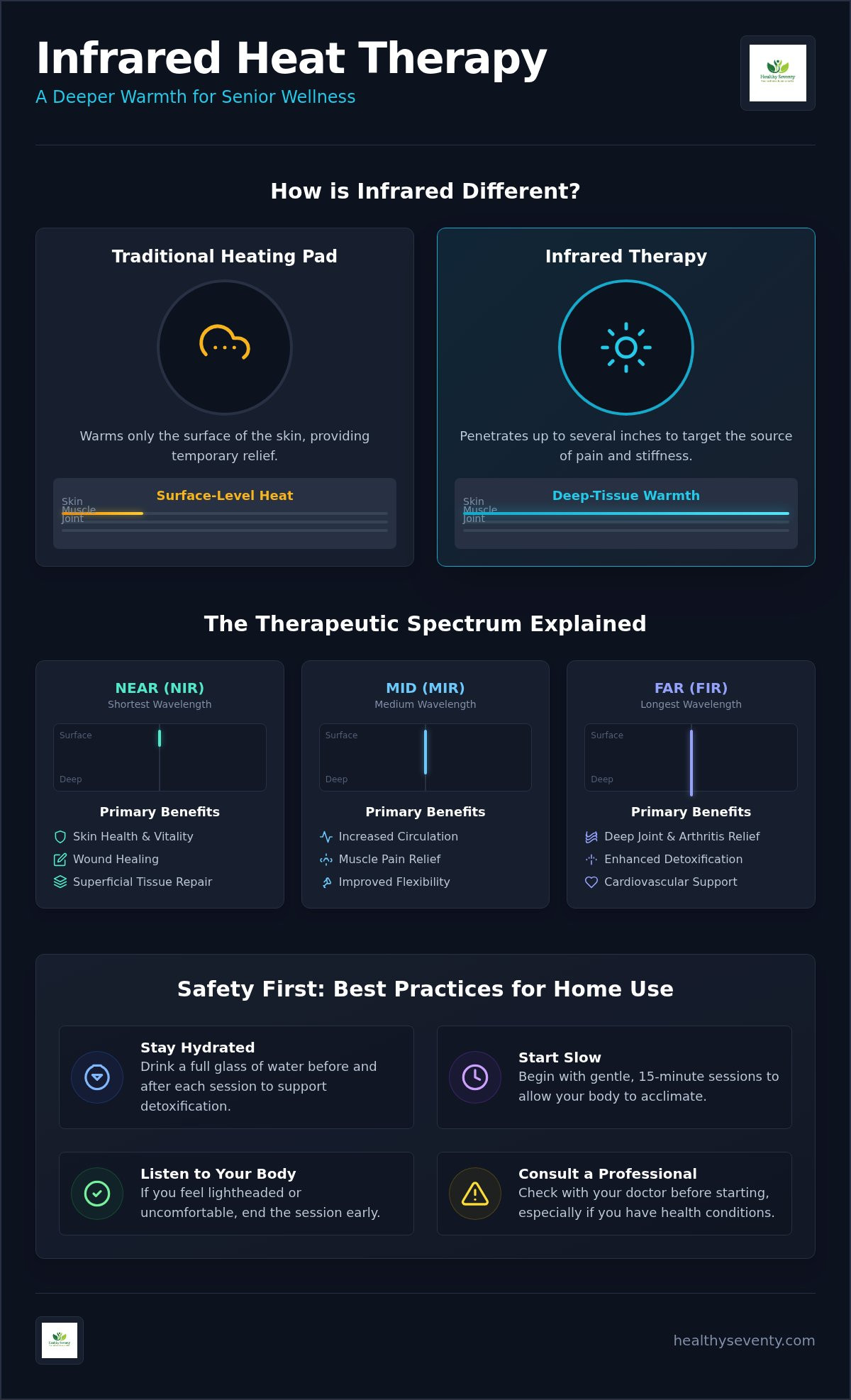
Why is this particularly important as we move into our sixties and seventies? Our bodies naturally undergo changes in how we regulate temperature and maintain circulation. You might notice that your hands and feet feel colder than they used to, or that it takes much longer for your muscles to "wake up" in the morning. Standard heating pads often fall short because they only warm the very top layer of your skin. While they offer a temporary distraction from discomfort, they cannot reach the deeper muscle layers or the connective tissues surrounding your joints. Infrared heat therapy for seniors addresses this by sending warmth up to several inches below the surface, targeting the actual source of chronic stiffness.
The Biological Mechanism: How Heat Heals at the Cellular Level
When these light waves enter your body, they trigger a vital process called vasodilation. This simply means your blood vessels expand, which significantly boosts the delivery of oxygen and nutrients to your tissues. It's like opening a highway for your blood to flow more efficiently. This increased circulation is essential for flushing out metabolic waste that can build up and cause discomfort.
At an even deeper level, this light energy supports your mitochondria, which are the tiny powerhouses inside every cell. As we age, mitochondrial function can slow down, leading to lower energy levels and slower recovery times. Infrared light gives these cells a gentle nudge, encouraging them to produce the energy required for repair and maintenance. Photobiomodulation is the process where light triggers natural healing in aging cells.
Primary Goals of Infrared Therapy for Seniors
The main objective of incorporating this therapy into your life is to foster a proactive environment for your body to thrive. We focus on three key areas:
Reducing Systemic Inflammation: By calming the body's inflammatory response, you can manage the daily "wear and tear" that often leads to chronic aches.
Improving Flexibility: Warming the collagen fibers in your joints helps increase your range of motion. This makes it easier to stay active, whether you're gardening or using a VOCIC Upright Walker for your daily exercise.
Enhancing Natural Detoxification: The gentle perspiration induced by infrared heat helps clear the skin and system of impurities, promoting a sense of clarity and renewed vitality.
The Therapeutic Spectrum: Near, Mid, and Far Infrared Explained
Understanding how light interacts with your body helps you choose the most effective tool for your wellness. Infrared light isn't a single type of heat; it's a spectrum divided into three distinct bands. Each band offers unique biological effects of infrared radiation based on how deeply the waves travel into your tissues. By selecting the right wavelength, you can tailor your sessions to address specific concerns, from surface-level skin health to deep-seated joint discomfort.
Near-infrared (NIR) has the shortest wavelength and focuses its energy on the body's surface. It's incredibly effective for skin health, wound healing, and superficial tissue repair. For seniors who might experience thinning skin or slow-healing minor scrapes, NIR provides a gentle way to stimulate the body's outermost defenses. It doesn't go deep, but it's a powerful ally for maintaining a vibrant, healthy appearance and supporting the skin's natural resilience.
Mid-infrared (MIR) wavelengths travel a bit further than NIR, making them optimized for increasing circulation and soothing muscle groups. If you find your muscles feel tight after a busy morning or a long walk, MIR can help relax those soft tissues. This level of infrared heat therapy for seniors helps expand blood vessels and improve the flow of oxygen to tired muscles, which can significantly reduce the time it takes to recover from daily physical activities.
Far-infrared (FIR) is the longest wavelength and is often considered the gold standard for holistic senior care. These waves penetrate deep into the body, reaching the joints and even supporting cardiovascular health. FIR provides the "heavy lifting" needed for systemic relief. It's the primary force behind the deep, detoxifying sweat and the vascular benefits that mimic light exercise.
Choosing the Right Wavelength for Your Needs
Your specific health goals will dictate which part of the spectrum you should focus on most. If you're recovering from a minor procedure and want to support post-surgical scar healing or skin vitality, NIR is an excellent choice. However, if your primary concern is managing deep-seated arthritis in the hips, back, or knees, you'll need the penetrating power of FIR to reach those areas. Far-infrared is the most common choice for home saunas due to its deep penetration.
The Role of 3-in-1 Infrared Technology
Modern wellness devices have advanced to offer 3-in-1 solutions, allowing you to toggle between wavelengths or use them simultaneously. This synergy provides a total-body recovery experience that addresses multiple needs in a single session. A home infrared sauna for elderly individuals is a versatile solution that brings this full-spectrum care directly into your living space. If you're looking to begin a proactive routine, a home infrared sauna for relaxation can be a wonderful cornerstone for your daily health journey.
Systemic Benefits: From Joint Relief to Cardiovascular Health
Beyond simply warming a specific knee or shoulder, infrared heat therapy for seniors acts as a catalyst for total body rejuvenation. When you step into that gentle warmth, you aren't just treating a symptom; you're inviting your entire system to reset. This holistic approach addresses the interconnected nature of aging, where a stiff hip can lead to a sedentary lifestyle, which in turn affects your heart health. By supporting multiple bodily functions at once, this therapy helps you maintain the vitality needed for an active, independent life.
Many adults find themselves reaching for NSAIDs like ibuprofen daily just to keep up with their morning routine. While these medications have their place, relying on them long-term can take a toll on your digestive system and kidneys. Regular exposure to infrared heat provides a natural alternative by calming systemic inflammation at the source. This consistent relief allows for a more active lifestyle, which remains the most effective way to preserve your strength and balance as the years progress.
Managing Chronic Pain and Mobility
Morning stiffness is a common hurdle for those over 70. It's that feeling of being "locked" in place until the body finally warms up through movement. By using infrared therapy, you pre-emptively loosen those connective tissues before you even start your day. This practice is a cornerstone of non invasive joint pain relief. When your pain levels drop, your confidence grows. You'll find yourself more willing to take that daily walk, perhaps with the support of a VOCIC Upright Walker, because you know your body won't feel as taxed afterward.
Cardiovascular and Metabolic Support
Your heart also receives a unique workout through what researchers call "passive heat stress." As your core temperature rises slightly, your heart rate increases and blood vessels dilate, mimicking the effects of light aerobic exercise. This is particularly valuable for the treatment of cardiovascular risk factors in individuals whose mobility might be limited by other health conditions. Improving vascular elasticity helps your heart pump blood more efficiently throughout your entire body.
Recent studies suggest this process helps lower blood pressure and supports metabolic health. For seniors managing Type 2 diabetes or peripheral neuropathy, the boosted circulation helps deliver vital nutrients to extremities that often suffer from poor blood flow. It's a gentle way to support your cardiovascular system without the high-impact stress of traditional gym workouts.
Finally, don't overlook the impact on your rest. Infrared heat nudges your body into a parasympathetic state, often called the "rest and digest" mode. This shift lowers stress hormones and prepares your mind for a deeper, more restorative sleep. Simultaneously, the mild elevation in core temperature can stimulate white blood cell activity, giving your immune system a gentle boost to help you stay resilient through every season.
Safety Guidelines: Best Practices for Senior Home Use
While the benefits are vast, the primary focus of infrared heat therapy for seniors must always be safety. Because the body's ability to regulate temperature changes with age, a thoughtful approach is necessary to ensure your sessions remain restorative rather than taxing. By following a few simple protocols, you can enjoy the deep warmth of your home setup with complete peace of mind.
Hydration is your most important companion. Older adults often have a reduced sensation of thirst, making it easy to become dehydrated without realizing it. You should drink a full eight-ounce glass of water before you begin, keep a bottle with you during the session, and follow up with another glass afterward. This supports the detoxification process and helps your heart manage the temporary increase in circulation more comfortably.
Your skin also requires special attention. Aging skin is naturally thinner and may be more sensitive to heat than it was in your younger years. Always monitor for any signs of persistent redness or irritation. If you're new to this practice, start slow. We recommend beginning with just 10 to 15 minutes at a lower temperature setting. You can gradually increase your time as your body adapts to the soothing warmth. Before starting any new heat regimen, always consult with your primary care physician to ensure it aligns with your overall health plan.
Medical Contraindications and Implants
If you have a pacemaker or an internal defibrillator, you must obtain strict medical clearance before using infrared devices. The heat and electromagnetic fields can potentially interfere with the electronics or the leads of these life-saving tools. Similarly, if you have had a joint replacement, it is worth discussing with your surgeon. While titanium and surgical steel are generally stable, they conduct heat differently than bone and tissue. Your physician can help you determine the safest temperature range for your specific situation. Also, be mindful of medications like diuretics or beta-blockers, which can affect how your body sweats or regulates its heart rate under heat stress.
Creating a Safe Home Environment
The space where you practice therapy should be as supportive as the therapy itself. Ensure that the floor is dry and that you have a clear, unobstructed path for entry and exit to prevent falls. If you use a walker or cane, keep it within easy reach. You can find more details on choosing the right tools in our guide to mobility aids for seniors. Using a device with an automatic shut-off timer is a simple but effective way to prevent overexposure if you happen to drift off into a deep state of relaxation.
Ready to bring these benefits into your own living space? A home infrared sauna for relaxation is designed with these safety features in mind, providing a secure and comfortable environment for your proactive wellness routine.
Integrating Heat Therapy into a Proactive Wellness Routine
Adopting a new wellness tool is most effective when it fits naturally into your existing habits. Infrared heat therapy for seniors isn't just a luxury; it's a strategic resource that supports every other part of your day. By timing your sessions thoughtfully, you can amplify the benefits of your physical activities and your moments of rest, creating a rhythm that sustains your energy from morning to night. This proactive approach ensures that you aren't just reacting to pain, but actively building a foundation of comfort.
Think of a morning session as a "biological primer." Spending 10 to 15 minutes in the gentle warmth before your daily walk loosens the connective tissues and prepares your muscles for movement. This reduces the initial "creakiness" often felt in the joints when you first step outside. Conversely, using heat for post-activity recovery helps reduce delayed onset muscle soreness. This is particularly helpful if you've recently increased your activity levels or spent a long afternoon out in the community. It allows your body to begin the repair process immediately, so you don't feel the "price" of your activity the following morning.
Beyond the physical, these sessions offer a rare opportunity for cognitive clarity. In a world that often feels rushed, the quiet, focused warmth of an infrared environment provides the perfect backdrop for meditation or simple reflection. This mental reset helps lower cortisol levels, which is just as vital for your long-term vitality as physical flexibility. When you combine this therapy with proper hydration and a diet rich in anti-inflammatory nutrients, you're building a holistic lifestyle that supports both the mind and the body. It’s about creating a sanctuary where you can reconnect with yourself while your cells do the hard work of restoration.
Maximizing Results with Mobility Aids
For those who value their independence, maintaining the physical capacity to move freely is paramount. Regular heat therapy improves the posture needed for an upright walker by ensuring the muscles in your back and shoulders remain supple and relaxed. When your body isn't fighting against chronic stiffness, you can stand taller and walk with significantly more confidence. Consistent heat therapy can extend the "active hours" of a senior’s day, allowing you to enjoy more time for travel, hobbies, and family without the burden of early-evening fatigue.
Long-term Wellness and Legacy
The transition from reactive pain management to proactive vitality is a powerful shift in perspective. Instead of waiting for discomfort to stop you in your tracks, you're choosing to invest in your body's resilience every single day. This is the heart of a "Healthy Seventy" lifestyle; it's a commitment to vitality, clarity, and independence that allows you to focus on the things that matter most. Every small, consistent wellness choice you make is an act of empowerment that preserves your ability to lead an active life. We're honored to be your partner in this journey, providing the tools and knowledge you need to cherish every phase of your life with confidence and joy.
Embracing a New Chapter of Comfort and Mobility
Choosing to incorporate infrared heat therapy for seniors into your daily life is a powerful step toward maintaining the independence you cherish. By moving beyond surface-level warmth and targeting the cellular source of stiffness, you're giving your body the restorative support it deserves. Whether you're seeking to soothe arthritis pain or improve your cardiovascular health, this gentle technology offers a non-invasive, drug-free path to feeling your best. It's about more than just relief; it's about reclaiming the flexibility needed to enjoy your favorite activities with confidence.
At Healthy Seventy, we're dedicated to providing expert-vetted wellness resources specifically tailored for the 60+ community. Our focus remains on curated, high-quality solutions that empower you to take charge of your health journey. If you're ready to experience the deep, soul-warming benefits of this therapy in the comfort of your own home, we invite you to explore our curated Home Infrared Saunas for Senior Vitality. Your journey toward a more vibrant and active lifestyle is just beginning, and we're here to support you every step of the way.
Frequently Asked Questions
Is infrared heat therapy safe for seniors with heart conditions?
Infrared therapy can be safe and even beneficial for heart health, but you must obtain medical clearance first. The "passive cardio" effect of the heat gently increases your heart rate and improves vascular elasticity, which mimics the benefits of light exercise. However, if you have unstable angina or a recent history of heart failure, your doctor needs to confirm that your heart can handle the temporary increase in core temperature.
How often should a person over 70 use an infrared sauna?
Most adults over 70 find the best results by using an infrared sauna three to four times per week. If you're just starting, begin with one or two sessions of 10 to 15 minutes to see how your body adapts. Consistency is the most important factor for managing chronic stiffness, but you should always listen to your body and take a day off if you feel unusually tired.
Can infrared therapy help with my arthritis pain?
Yes, infrared heat therapy for seniors is highly effective for arthritis because it penetrates deep into the joint capsules. Unlike standard heating pads that only warm the skin, infrared waves reach the connective tissues to reduce systemic inflammation and boost circulation. This process helps soothe the persistent "morning stiffness" that often limits your mobility and makes it difficult to stay active throughout the day.
Will infrared heat interfere with my medications?
It's possible that infrared heat could interact with certain medications, especially those that affect your heart rate or your body's ability to sweat. Common examples include diuretics, beta-blockers, and certain transdermal skin patches. You should always review your current prescriptions with your physician to ensure that the mild increase in core temperature won't alter how your body processes your medication or lead to overheating.
What is the difference between near and far infrared for seniors?
Near-infrared waves have the shortest wavelength and focus on the surface of the body to promote skin health and wound healing. Far-infrared waves are much longer and penetrate several inches deep to reach your muscles and joints. For most seniors, far-infrared is the preferred choice because it provides the deep-tissue relief needed for arthritis, cardiovascular support, and total-body relaxation.
Can I use infrared therapy if I have a hip or knee replacement?
You can typically use infrared therapy with joint replacements, but you must consult your surgeon first. While surgical steel and titanium are stable materials, they conduct and reflect heat differently than natural bone and muscle. Your doctor can provide specific temperature guidelines to ensure the area around your implant remains safe and comfortable during your sessions.
How much water should I drink during an infrared session?
You should aim to drink at least eight ounces of water before, during, and after your infrared session. Proper hydration is vital because older adults often have a reduced sensation of thirst, making it easier to become dehydrated during a sweat session. Drinking plenty of water helps your heart manage the increased circulation and assists your body in flushing out metabolic waste more effectively.
Does infrared heat help with senior insomnia or sleep issues?
Infrared heat is an excellent natural tool for improving sleep quality by triggering your parasympathetic nervous system. This "rest and digest" mode lowers your stress hormones and prepares your mind for a deeper, more restorative night's rest. Many people find that a gentle session in the late afternoon or early evening helps them fall asleep faster and stay asleep longer.
Comments