


Shockwave Therapy for Plantar Fasciitis: A Senior's Guide to Pain-Free Steps in 2026
Updated: 2 days ago

Imagine waking up and actually looking forward to your morning walk instead of dreading that first, sharp step out of bed. For many of us, the stabbing sensation of heel pain has become an unwelcome companion that limits our independence and keeps us from the activities we love. If you've struggled with persistent discomfort, exploring shockwave therapy for plantar fasciitis might be the turning point you need. You've likely tried resting, icing, and stretching, yet the frustration remains when those traditional methods simply don't provide lasting relief. It's exhausting to feel like your own body is holding you back from a healthy, active lifestyle.
We understand that you're looking for a solution that's both effective and gentle on your body. This guide explains how non-invasive shockwave technology acts as a biological reset, stimulating your tissues to heal themselves naturally. You'll learn how this approach can help you avoid invasive surgeries and high clinical costs. We'll examine the latest 2026 FDA-cleared options and how to pair treatment with proper orthopedic support, giving you the clarity needed to reclaim your pain-free steps and your vitality.
Table of Contents
Understanding Shockwave Therapy for Plantar Fasciitis in Your 60s and 70s
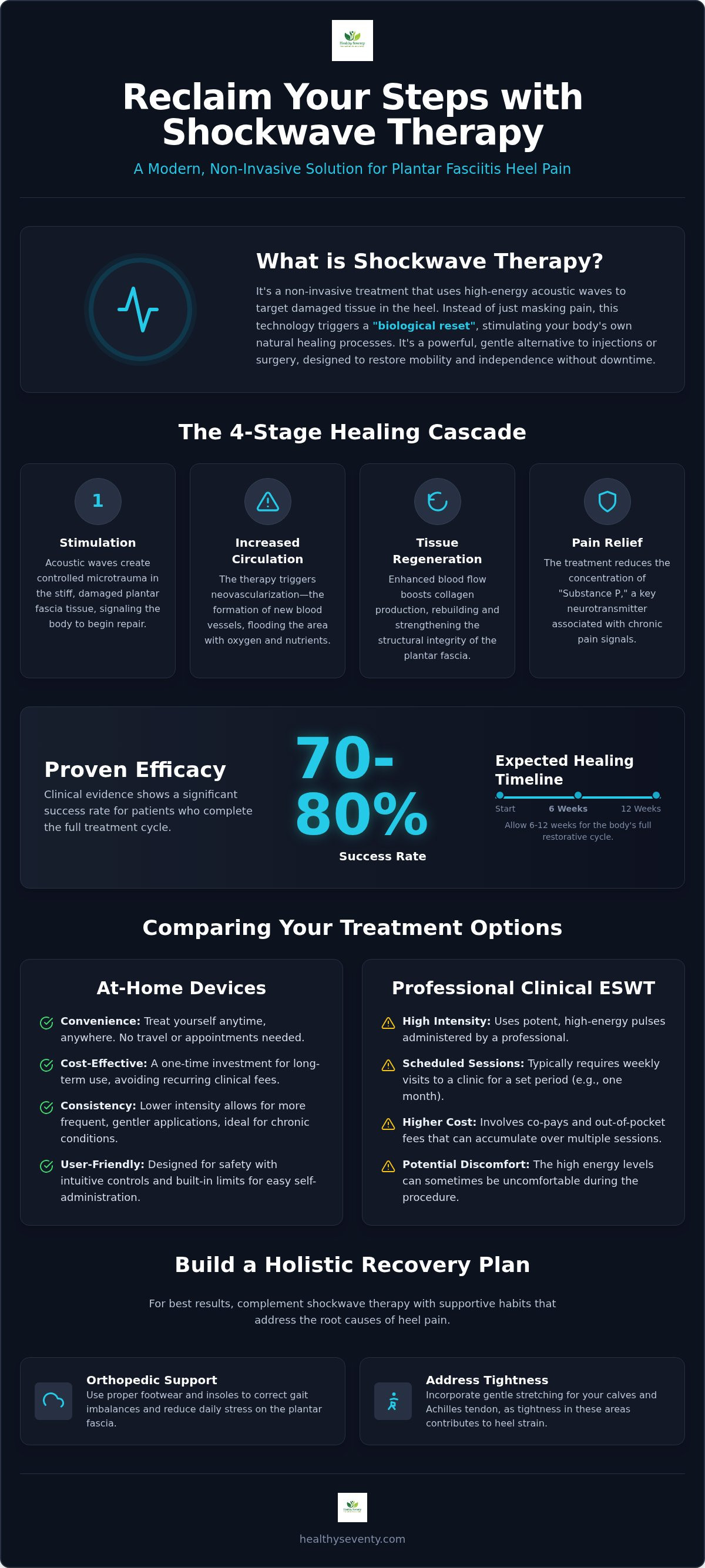
As we reach our 60s and 70s, our feet have carried us through decades of life. This mileage often results in natural changes to the plantar fascia, the thick band of tissue that supports your arch. When this tissue becomes chronically inflamed or thickened, standard treatments like rest often fail to provide the relief you deserve. This is where What is Extracorporeal Shockwave Therapy (ESWT)? becomes a vital piece of the puzzle. It's a non-invasive treatment that uses high-energy acoustic waves to penetrate deep into the foot's structure. Unlike surgery, it requires no incisions or downtime, making it a gentle yet powerful option for maintaining your independence.
The core of this technology lies in the concept of controlled microtrauma. While the word "trauma" might sound concerning, it's actually the key to your recovery. These acoustic pulses create tiny, harmless disruptions in the damaged tissue. This process acts as a biological wake-up call for your body. By exploring shockwave therapy for plantar fasciitis, you aren't just masking the pain with a temporary fix. You're signaling your system to restart its natural repair mechanisms, which often slow down as we age. It's a fundamental shift from simply managing discomfort to stimulating actual tissue regeneration.
What is Plantar Fasciitis in Seniors?
For many older adults, heel pain isn't just about inflammation. It's often exacerbated by age-related fat pad atrophy, where the protective cushioning under your heel bone thins out. This leaves the plantar fascia vulnerable to increased stress with every step. You probably recognize the hallmark symptom: that sharp, stabbing sensation during your first steps in the morning. This happens because the tissue tightens overnight, and the sudden stretch upon standing causes micro-tears. Understanding this specific demographic challenge helps us choose treatments that address the underlying structural stiffness rather than just the surface-level ache.
How Shockwaves Stimulate Healing
The biological response to these sound waves is quite remarkable. One of the primary benefits is neovascularization; the therapy encourages the growth of new, tiny blood vessels that bring a fresh supply of oxygen and nutrients to the damaged fascia. This increased circulation is essential for rebuilding the structural integrity of the foot through enhanced collagen production. Additionally, utilizing shockwave therapy for plantar fasciitis helps interrupt pain signals by reducing the concentration of substance P, a neurotransmitter associated with chronic pain. This combination doesn't just help you walk better; it helps your body rebuild a stronger, more resilient foundation for your active lifestyle.
Comparing Clinical Extracorporeal Shockwave Therapy (ESWT) and At-Home Options
Deciding where to receive treatment is a personal choice that involves balancing clinical power with daily convenience. While hospitals and specialized clinics offer high-intensity sessions, the rise of consumer technology has made effective care accessible right in your living room. For many seniors, the primary hurdle isn't the therapy itself; it's the logistics of getting to an appointment. If driving or arranging transportation feels like a chore, at-home shockwave therapy for plantar fasciitis offers a path to relief without the commute. We believe that maintaining your independence should never feel like a burden.
From a financial perspective, the numbers often favor the home setting. Clinical co-pays and out-of-pocket fees for multiple sessions can accumulate quickly, sometimes exceeding the cost of a personal device. Choosing a dedicated Shockwave Therapy Device for Pain Relief provides a one-time investment for long-term maintenance. These modern units are designed specifically for safety and ease of use. They feature intuitive controls and built-in limits to ensure you can confidently manage your healing journey without professional supervision. It's a proactive way to take control of your well-being on your own terms.
Professional ESWT vs. Home Devices
Clinical treatments utilize high-energy pulses that are usually administered once a week for about a month. These are potent and sometimes uncomfortable during the procedure. Home devices operate at a lower intensity, allowing for more frequent, gentler applications. This consistency is often better for chronic conditions where tissues need a steady, supportive nudge toward recovery. It's always a good idea to consult your podiatrist first before starting shockwave therapy for plantar fasciitis to ensure your foot is ready for this proactive step.
Radial vs. Focused Waves
Most at-home units utilize radial waves, which spread energy across a broader surface area of the foot. This is ideal for treating the entire heel and arch simultaneously, ensuring no sore spot is missed. Clinical settings might use focused waves to target a very specific, deep-seated point of injury. For sensitive, aging feet, radial waves are generally more comfortable. They provide a soothing yet effective vibration that stimulates blood flow without the sharp sensation often felt with focused clinical energy. If you're looking for a gentle way to stay active, exploring a Shockwave Therapy Device for Pain Relief might be the perfect solution for your daily routine.
Evaluating the Efficacy: Does Sound Wave Therapy Really Work for Aging Feet?
It's natural to feel a bit skeptical about a treatment that uses sound waves to fix a physical problem you've endured for months. However, the data for this demographic is quite encouraging. Clinical studies consistently show success rates between 70% and 80% for chronic cases that haven't responded to traditional "rest and ice" methods. By choosing shockwave therapy for plantar fasciitis, you're opting for a solution with a proven track record of helping seniors return to their morning walks and gardening without the shadow of pain hanging over every step.
You might experience what some experts call a "healing crisis" shortly after your initial sessions. This is a temporary period of increased soreness or tenderness in the heel. While it might feel counterintuitive, this sensation is actually a positive sign that your body is responding to the acoustic energy. The sound waves are successfully triggering the inflammatory response needed to clear away old, damaged tissue. Don't let this brief phase discourage you; it's a necessary part of the biological reset we discussed earlier.
Safety is our priority, especially when managing multiple health conditions. While this therapy is remarkably safe, there are specific contraindications to discuss with your healthcare provider. If you use a pacemaker, take prescription blood thinners, or have been diagnosed with active tumors in the foot area, this specific treatment may not be suitable for you. We also recommend a quick check of your bone density, as very advanced osteoporosis in the heel bone requires a more cautious approach to intensity settings.
Pros and Cons for the 60+ Demographic
The advantages of this approach are particularly meaningful as we age. There's no need for anesthesia, no incisions, and absolutely no downtime. You can maintain your daily routine immediately after a session. In contrast, traditional steroid injections carry a risk of fat pad atrophy, which can permanently reduce the natural cushioning under your heel. While you might encounter mild bruising or temporary skin redness, these minor inconveniences pale in comparison to the lengthy recovery and potential complications associated with surgical intervention.
When to Expect Results
Patience is your greatest ally during this process. Shockwave therapy for plantar fasciitis isn't an instant fix; it's a 6 to 12 week journey of cellular remodeling. You may notice subtle improvements in your morning pain after the second or third session, but the most significant changes occur as new collagen fibers mature. Finishing your full course of treatment is vital to ensure these structural changes are permanent. True biological healing is a deliberate journey that requires patience to allow new collagen fibers to organize and strengthen properly.
Your Step-by-Step Guide to Treatment and Recovery
Mastering the practical application of your treatment is just as important as the technology itself. To begin, ensure your foot is clean and dry. Find a comfortable, seated position where you can easily reach your heel and arch without straining your back. Applying a generous layer of ultrasound gel is a non-negotiable step. This gel acts as a bridge, allowing the acoustic energy to travel from the device into your tissue without losing power. A typical session lasts about five to ten minutes per foot. During this time, you'll want to avoid staying on one spot for too long. Instead, use a steady, rhythmic movement to cover the entire affected area.
One of the most critical rules of recovery involves your medicine cabinet. You should avoid anti-inflammatory drugs like ibuprofen or naproxen for at least 48 hours after a session. Because shockwave therapy for plantar fasciitis works by triggering a controlled inflammatory response to jump-start healing, taking these medications can actually cancel out the benefits of the treatment. If you experience minor discomfort, choose a non-inflammatory pain reliever or simply give your feet some extra rest. We want your body's natural repair mechanisms to work at their full potential without interference.
Using a Shockwave Therapy Device at Home
Taking charge of your recovery at home is an empowering step toward regaining your mobility. Follow these three simple steps for a safe and effective session:
Step 1: Use your thumb to press firmly around the heel and arch to identify the most tender "trigger points." These areas are where the fascia is most damaged and will be your primary targets.
Step 2: Always start your device at the lowest intensity setting. Your tissues need a moment to acclimate to the pulses before you gradually increase the power to a level that feels like a strong but tolerable tapping.
Step 3: Keep the applicator head in constant, small circular motions. This ensures the energy is distributed evenly across the fascia and prevents over-stimulating a single point of bone.
Post-Treatment Care and Footwear
The work doesn't end when the device is turned off. For the next 24 to 48 hours, your fascia is in a heightened state of repair, making it vulnerable to strain. You must avoid walking barefoot, even on carpeted floors, as the lack of support can cause immediate re-injury. We highly recommend wearing supportive footwear like Orthofeet Orthopedic Walking Sneakers during this phase. These shoes provide the necessary arch support and heel cushioning to protect the restorative work the sound waves are doing. Incorporating gentle seated stretches, like flexing your toes toward your shin, will help maintain the flexibility of the newly treated tissue. If you're ready to begin, selecting a high-quality Shockwave Therapy Device for Pain Relief is the first step toward a more active, independent lifestyle.
Building a Holistic Recovery Plan: Beyond the Shockwave
While the technology behind shockwave therapy for plantar fasciitis is impressive, it works best when integrated into a broader mobility ecosystem. Think of the acoustic waves as the catalyst for change, while your daily habits provide the foundation for long-term health. Many of us don't realize that heel pain is often a symptom of issues further up the leg, such as chronic calf tightness or subtle gait imbalances. When your calves are tight, they pull on the Achilles tendon, which in turn puts excessive strain on the plantar fascia. Addressing these root causes ensures that the healing you achieve through therapy isn't undone by the way you move.
Beyond the physical repair, there's a profound psychological shift that occurs when you regain your mobility. The fear of that first morning step or the anxiety of a walk through the grocery store can be paralyzing. As the pain recedes, you'll likely find a renewed sense of confidence and a desire to engage with your community again. This emotional freedom is just as valuable as the physical relief. It's about more than just walking; it's about reclaiming the lifestyle you've worked hard to build.
Integrating Orthopedic Support
Proper arch support is essential for preventing the recurrence of inflammation. It acts as a structural scaffold, ensuring the fascia isn't overstretched during the delicate healing phase. This is especially true if you're managing age-related fat pad atrophy, as the extra cushioning protects the heel bone from direct impact. For a deeper look at managing these types of conditions, you might find our guide on non-invasive joint pain relief helpful for understanding how different parts of your body work together to support your weight.
Maintaining Independence During Healing
Staying active while your feet heal requires a thoughtful approach to weight distribution. Using a VOCIC Upright Walker can be a game-changer during this time. It allows you to maintain an upright posture, which naturally reduces the load on your ankles and heels while preventing the slouching that leads to back pain. By offloading some of your body weight, you give the shockwave therapy for plantar fasciitis the space it needs to work effectively. At Healthy Seventy, we curate these tools specifically to empower you to manage your recovery safely at home. Improving your posture doesn't just help your feet; it revitalizes your entire sense of balance and vitality.
Reclaim Your Active Lifestyle and Every Pain-Free Step
You've explored how a modern biological reset can transform chronic discomfort into lasting vitality. By choosing shockwave therapy for plantar fasciitis, you're embracing a non-invasive path that avoids the risks of surgery and the temporary fixes of steroid injections. Whether you opt for clinical sessions or the convenience of an at-home device, the goal remains the same: restoring your independence. Remember that true healing is a holistic journey. Pairing your therapy with expert-vetted orthopedic support ensures your recovery is both steady and sustainable. We focus on drug-free pain relief that empowers you to maintain your mobility and stay active on your own terms. Our dedicated research helps you find the most reliable resources for a healthier, more vibrant life.
Your next chapter of movement is waiting. It's time to step into it with confidence, knowing you have the tools to support your journey every step of the way.
Frequently Asked Questions
Is shockwave therapy for plantar fasciitis painful for seniors?
Most people describe the sensation as a rhythmic tapping or strong pulsing rather than sharp pain. Since you can adjust the intensity on a home device, you're always in control of your comfort. It's normal to feel some mild tenderness during the session, but it shouldn't be unbearable. If a setting feels too intense, you can simply lower it to a level that feels supportive yet manageable for your feet.
How many sessions of shockwave therapy will I need?
Clinical protocols typically suggest a series of three to five sessions spaced about one week apart. If you're using a device at home, you might prefer more frequent, lower-intensity applications over several weeks. Consistency is the most important factor. The biological repair process happens gradually, so following a steady routine allows your body the time it needs to rebuild damaged tissue and provide lasting relief from discomfort.
Can I use a shockwave therapy device at home by myself?
Yes, modern at-home units are designed with senior safety and independence in mind. They feature intuitive controls and ergonomic handles that make them easy to operate without assistance. You simply apply a small amount of ultrasound gel and move the applicator over the tender areas of your heel and arch. It's a convenient way to manage your recovery in a comfortable environment without the stress of frequent travel.
Does Medicare or private insurance cover shockwave therapy?
As of 2026, Medicare covers extracorporeal shock wave therapy (ESWT) for chronic plantar fasciitis. To qualify, you generally need to have experienced symptoms for at least six months and tried other conservative treatments first. Private insurance coverage remains inconsistent; some providers classify it as investigational while others offer partial reimbursement. It's always a wise step to contact your insurance representative to verify your specific plan's benefits and documentation requirements.
What are the side effects of shockwave treatment on aging skin?
Side effects are typically very mild and clear up within a few days. You might notice some temporary redness, slight swelling, or minor bruising in the treated area. Because aging skin can be more delicate, we recommend starting at the lowest intensity setting to see how your body responds. These surface-level effects are a natural part of the healing response and are far less invasive than the recovery required after surgical procedures.
Is shockwave therapy better than cortisone shots for heel pain?
Shockwave therapy focuses on stimulating actual tissue regeneration, while cortisone shots primarily provide temporary relief by suppressing inflammation. For seniors, cortisone carries an additional risk of fat pad atrophy, which can permanently reduce the natural cushioning under your heel. Choosing shockwave therapy for plantar fasciitis offers a drug-free alternative that addresses the underlying cause of your pain rather than just masking the symptoms for a few months.
How long does it take to see results after starting shockwave therapy?
Most individuals begin to notice a significant reduction in morning pain within six to twelve weeks of starting treatment. While you might feel some immediate relief due to the interruption of pain signals, the structural rebuilding of the fascia is a gradual process. Utilizing shockwave therapy for plantar fasciitis requires a bit of patience, but this steady approach ensures that the new collagen fibers have the strength to support your active lifestyle.
Can I walk normally immediately after a shockwave session?
You can certainly walk immediately after your session, but it's best to avoid high-impact activities for about 48 hours. Your tissues are in a heightened state of repair, so giving them a short period of rest is beneficial. We recommend wearing supportive orthopedic sneakers during this time to protect your arches. This careful approach ensures that the restorative work triggered by the acoustic waves can proceed without any unnecessary strain or re-injury.



Comments