


How to Improve Mobility in Seniors: A Holistic 2026 Guide to Independent Living

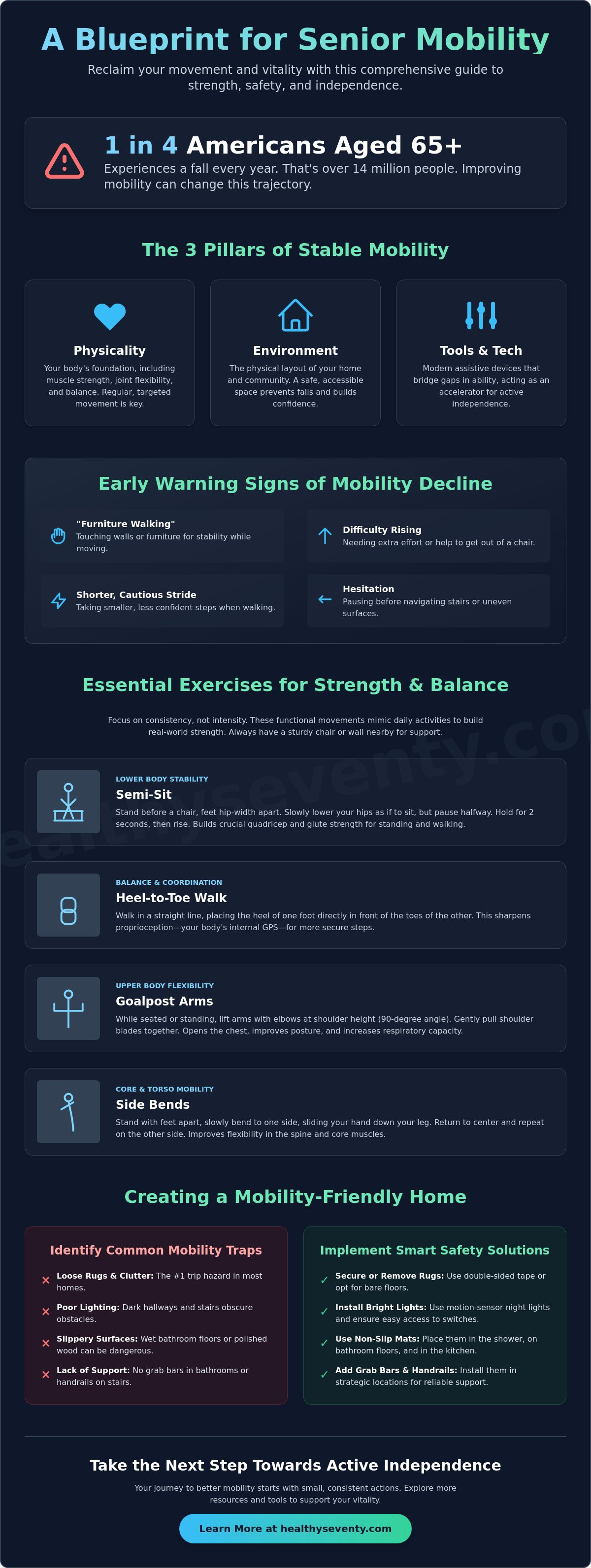
Did you know that one in four Americans aged 65 and older experiences a fall every year? While this accounts for over 14 million people, learning how to improve mobility in seniors can significantly change that trajectory for you. You might wake up with stiff joints or feel a loss of confidence when heading to a community event. It's frustrating when simple joys, like playing with your grandkids or walking to the mailbox, start to feel like risks. You aren't alone in wanting to maintain your independence while staying safe in the home you love.
This guide offers a comprehensive, expert-backed blueprint to help you reclaim your movement and vitality. We've gathered the most relevant 2026 data on physical therapy, home safety, and modern assistive technology to give you a clear plan of action. You'll explore targeted exercises that protect your joints and learn about the smart tools that make aging in place a reality. We'll also examine how to navigate modern healthcare thresholds so you can access the support you need. Let's look at how you can reduce pain and move through your day with renewed assurance.
Key Takeaways
Master the "Three-Legged Stool" concept to balance your physical health, home safety, and the right assistive tools for a more confident lifestyle.
Learn functional exercises that mimic your daily activities, helping you build strength and balance through consistency rather than intensity.
Identify common "mobility traps" in your living space and find out how to remove friction from your daily movements for better home safety.
Explore how targeted nutrition and hydration support your joints and muscles, providing a holistic foundation for lasting vitality.
Discover how to improve mobility in seniors by utilizing modern assistive technology that acts as an accelerator for your active independence.
Table of Contents
Understanding the Pillars of Senior Mobility in 2026
Mobility is often described as the ability to move freely and easily. For those of us navigating our 70s and beyond, it represents something much deeper: it's the currency of independence. True mobility isn't just about the mechanics of walking; it's about moving safely and confidently within your own environment. When we discuss how to improve mobility in seniors, we must look at it through a holistic lens that goes beyond simple muscle strength.
Think of your mobility as a three-legged stool. If one leg is weak, the entire structure becomes unstable. The first leg is your physicality, which includes your muscle strength and joint flexibility. The second leg is your environment, meaning the physical layout of your home and community. The third leg involves your tools, such as the assistive devices that bridge the gap between where you are and where you want to go. By addressing all three, you create a sturdy foundation for an active life.
There's a profound psychological link between movement and mental clarity. When you move, your brain stays engaged, helping you maintain emotional resilience and cognitive sharpness. As we age, our proprioception, the body's internal sense of its position in space, can become less precise. This is why balance often feels more challenging than it once did. By focusing on these pillars, we can sharpen those internal signals and restore a sense of control over every step you take.
Since spinal alignment plays a crucial role in how your brain receives these signals, you may want to discover Upper Cervical Care to find a specialist who can help restore your body's natural balance and coordination.
Why Mobility is the Key to Longevity
Movement is the engine that keeps your cardiovascular system and cognitive functions running smoothly. We often hear the phrase "use it or lose it." While that might sound blunt, it's actually an invitation to stay engaged with your body's potential. Regular movement is the essential foundation for posture correction for seniors. By maintaining your alignment, you reduce the strain on your joints and keep your energy levels high. Gaining a deeper Understanding Physical Fitness allows you to see how small, daily efforts accumulate into a legacy of health and vitality.
Identifying Early Warning Signs of Mobility Decline
Have you noticed a slight change in how you navigate your living room? Sometimes, the signs of a decline in mobility are subtle. You might find yourself "furniture walking," which means touching tables or walls for stability as you move. Perhaps getting out of a favorite armchair takes a bit more effort than it did last year, or your stride has become shorter and more cautious. It's vital to distinguish between normal aging and signs that suggest you need a new strategy. We encourage you to adopt a proactive wellness mindset. Understanding how to improve mobility in seniors starts with acknowledging these shifts and choosing to address them with curiosity and care.
5 Essential Exercises to Rebuild Strength and Balance
Understanding how to improve mobility in seniors often begins with functional fitness. These are movements that mimic your daily routines, such as reaching for a high shelf or rising from your favorite chair. Consistency is your greatest ally in this journey. You don't need high intensity to see results; you need a steady rhythm that respects your joints and builds endurance over time. Always prioritize safety by keeping a sturdy chair or a wall within arm's reach during these activities. If your range of motion feels limited today, start with "micro-movements." These are small, controlled shifts that gently wake up your muscles without causing strain.
Lower Body Stability: The Semi-Sit and Heel-to-Toe Walk
The Semi-Sit is a foundational exercise for building quadricep and glute strength. Stand in front of a chair with your feet hip-width apart. Slowly lower your hips toward the seat as if you're about to sit, but stop halfway and hold for two seconds before rising back up. To improve your tandem balance, try the Heel-to-Toe walk. Place the heel of one foot directly in front of the toes of the other, moving in a straight line as if walking a tightrope. Proprioception is the body's ability to sense movement and location. By practicing this walk, you sharpen that internal GPS, making every step outdoors feel more secure.
Upper Body Flexibility: Goalpost Arms and Side Bends
Goalpost Arms are excellent for opening your chest and improving respiratory capacity. While seated or standing, lift your arms so your elbows are at shoulder height, forming a 90-degree angle. Gently pull your shoulder blades together. This movement directly counters the "hunched" posture often associated with aging, helping you stand taller. Follow this with Side Bends. Reach one arm toward the ceiling and lean slightly to the opposite side, engaging your core and stretching the muscles along your ribs. These movements ensure your spine remains lateral and flexible, which is essential for maintaining your overall alignment and vitality.
Core Engagement: The Seated Abdominal Press
A strong core acts as a protective shield for your lower back during every movement. For the Seated Abdominal Press, sit tall in a chair and place your hands on your thighs. Take a deep breath and, as you exhale, press your hands down while pulling your belly button toward your spine. This creates internal tension that stabilizes your torso without requiring you to get on the floor. Developing this core strength provides better results when you pair it with the best walking sneakers for balance. For those seeking an extra layer of stability during their daily walks, choosing supportive options like Orthofeet Orthopedic Walking Sneakers can provide the reliable foundation needed to move with total confidence.
Creating a Mobility-Friendly Home Environment
While physical movement builds your internal foundation, the space you live in determines how easily you can apply that strength. A home that supports you is one that "removes friction" from your daily life. It allows you to move between rooms without hesitation or the constant need to scan the floor for hazards. When we consider how to improve mobility in seniors, we must look at the home as a partner in your independence. Modifying your environment isn't about admitting a loss of ability; it's a strategic investment in your continued freedom. A 2025 survey indicated that 94% of adults aged 55 and older consider aging in place an important goal, yet only 10% of homes in the U.S. currently have the necessary accessibility features to support it.
One of the most effective ways to enhance safety is by establishing "reach zones." This means organizing your most-used items between hip and shoulder height. By keeping essentials within this range, you prevent the need for over-extension or deep bending, both of which can lead to a loss of balance. Addressing these "mobility traps" early ensures your home remains a sanctuary rather than a source of stress. It creates a seamless flow that encourages you to stay active within your own four walls.
The 'No-Trip' Zone: Flooring and Lighting
Your walking paths should be clear and predictable. Throw rugs, while beautiful, are frequent culprits in home accidents. If you aren't ready to remove them, ensure they're secured with high-quality, non-slip backing. Nighttime navigation requires special attention to prevent stumbles in the dark. Motion-sensor lighting in hallways and bathrooms provides immediate clarity without the need to fumble for a switch. Don't forget to manage cord clutter. Tucking electrical wires behind furniture or using cord organizers in high-traffic areas creates a safer, more open path for your movement.
Bathroom and Kitchen Accessibility
The bathroom is a critical area where moisture meets hard surfaces. Installing grab bars near the toilet and inside the shower provides a reliable anchor for your movement. Pair these with non-slip mats to create a secure environment. In the kitchen, focus on waist-height organization for heavy pots or daily dishes. Even your health routines can be optimized for ease. For instance, senior friendly water filtration systems should be countertop-accessible. This ensures you can enjoy pure, filtered water without the strain of reaching under a sink or lifting heavy pitchers, making hydration an effortless part of your day.
Advanced Recovery: Hydration, Nutrition, and Heat Therapy
Recovery is the silent engine of movement. While exercise builds the foundation, what you do in the hours between activities determines how well your body adapts to new challenges. When exploring how to improve mobility in seniors, we must treat recovery as a proactive discipline rather than a passive wait. It's the period when your body repairs tissue, replenishes energy, and lubricates the systems that keep you upright and confident.
Hydration serves as the first line of defense for your joints. Within each joint, a thick liquid called synovial fluid acts as a natural shock absorber and lubricant. Without adequate water intake, this fluid can thin, leading to the "grinding" sensation that makes morning movement difficult. Proper hydration directly impacts balance by preventing dizziness, ensuring your internal equilibrium remains steady throughout the day. Pair this with restorative sleep, which is when your body performs its most intensive maintenance. During deep sleep, growth hormones are released to heal the micro-tears in muscle fibers caused by daily activity, ensuring you wake up refreshed and ready to move.
Muscle health requires consistent attention through nutrition. Sarcopenia, the gradual loss of muscle mass, is a natural part of aging, but it isn't an inevitable decline. Increasing your intake of lean protein provides the essential building blocks for tissue repair. These nutritional choices, combined with smart recovery tools, create a comprehensive strategy for lasting independence.
The Science of Heat for Joint Stiffness
Infrared heat therapy offers a sophisticated way to manage joint stiffness. Unlike traditional steam, infrared waves penetrate deep into the tissues to stimulate circulation and relax tight muscles. This acts as a powerful "pre-hab" tool. By warming your body before you begin your daily stretches or walks, you make the movement more fluid and less painful. This approach complements other non invasive joint pain relief strategies, such as shockwave therapy, which targets chronic discomfort at the source. If you're ready to experience the benefits of deep tissue warmth, consider how a Home Infrared Sauna for Relaxation can transform your morning routine.
Nutrition for Bone and Muscle Integrity
Maintaining bone and muscle integrity requires a synergy of nutrients. Vitamin D acts as the key that unlocks Calcium's potential, while Magnesium ensures that Calcium is directed to the bones rather than soft tissues. You can easily boost your protein by adding Greek yogurt to your breakfast, snacking on almonds, or incorporating lean poultry into your evening meal. These small adjustments provide the physical resources your body needs to sustain the gains you make through exercise. By fueling your body correctly, you're not just eating; you're providing the raw materials for a more mobile and vibrant future.
Leveraging Modern Mobility Aids for Active Independence
Mobility aids are often misunderstood as symbols of decline, but in 2026, we view them as "independence accelerators." When you choose the right tool, you aren't giving up your freedom; you're expanding your world. Learning how to improve mobility in seniors involves a smart, hybrid approach to daily life. This means using your strength-building exercises for short distances at home while relying on a high-quality aid for longer excursions. This balance protects your energy and ensures you don't miss out on community events or family gatherings. By integrating these tools, you transform movement from a source of anxiety into a gateway for connection.
Footwear also plays a vital role in this ecosystem of support. The right shoes, such as Orthofeet Orthopedic Walking Sneakers, do more than just cushion your feet. They provide the necessary sensory feedback from the ground to your brain, which is essential for maintaining balance. When your feet feel secure and aligned, your confidence in every step grows. A significant trend in 2026 is the integration of smart technology into these aids. Many modern devices now include features like fall detection and connectivity to alert caregivers, providing an extra layer of peace of mind for those living alone.
The Rise of the Upright Walker
Traditional walkers often force a hunched posture, which can lead to chronic back pain and strained wrists. In contrast, an upright walker allows you to stand tall and look forward. This ergonomic shift significantly reduces the load on your joints and improves your respiratory capacity. The VOCIC Upright Walker has become a standard for this design. It offers a stable frame that supports your natural alignment while you navigate the world with a clear line of sight. When you stand upright, you engage your core and improve your overall stability, making it a proactive tool for your wellness journey.
Choosing Lightweight Support for Travel
For seniors who maintain an active social life, portability is a top priority. Exploring lightweight mobility aids for seniors ensures that your equipment never feels like a burden. Modern solutions, like a Foldable Mobility Scooter for Seniors, are designed to fit into a car trunk or navigate a busy airport with ease. These tools are built with advanced materials that prioritize weight reduction without sacrificing safety. Reclaiming the joy of movement is a journey that combines physical effort with the wisdom to use the best technology available. You've built a legacy of experience; now, let these tools help you continue sharing it with the world.
Stepping Forward into Your Future of Independence
Your path toward better movement is built on the sturdy foundation of physical strength, a safe home environment, and the right assistive tools. By blending functional exercises with smart recovery techniques like infrared heat, you're taking a proactive stance on your long-term vitality. Understanding how to improve mobility in seniors isn't just about avoiding falls; it's about reclaiming the confidence to live life on your own terms. These small, consistent changes in your daily routine accumulate into a legacy of health and freedom.
At Healthy Seventy, our resources are curated by senior wellness experts who focus on Red Dot-winning ergonomic designs. We've empowered thousands of seniors to age in place safely, and we're here to support your journey too. You deserve to move through your home and community with total assurance. Discover how the VOCIC Upright Walker can help you regain your confidence and posture today.
The road ahead is filled with new possibilities for connection and joy. Trust in your body's ability to adapt and grow, knowing that every step you take today is a purposeful investment in your future self. You have the wisdom, the strength, and the tools to thrive in the years to come.
Frequently Asked Questions
Is it ever too late to start improving my mobility as a senior?
It's never too late to begin your journey toward better movement. Whether you're 70 or 95, your body retains the remarkable ability to adapt and strengthen in response to consistent activity. Research consistently shows that seniors who start strength training later in life still see significant improvements in balance and walking speed. Knowing how to improve mobility in seniors starts with the belief that progress is always possible. Start where you are today with gentle stretches and build your confidence gradually.
How often should I perform mobility exercises to see results?
You should aim for a consistent routine of 20 to 30 minutes of activity most days of the week. For strength building, twice or three times weekly is ideal; this allows your muscles a day of rest in between for recovery. Daily gentle stretching helps maintain the joint lubrication discussed earlier in this guide. Consistency is far more valuable than intensity. Small, daily sessions are often more sustainable and effective for long-term progress than occasional, strenuous workouts.
What is the difference between flexibility and mobility?
Flexibility refers to the ability of your muscles to stretch, while mobility is the ability of your joints to move through their full range of motion under control. Think of flexibility as the length of a rubber band and mobility as the strength and coordination needed to move a limb safely. Understanding this distinction is key when learning how to improve mobility in seniors. Both are essential for a balanced and active lifestyle that supports your independence and long-term vitality.
Can an upright walker actually help improve my posture over time?
An upright walker is specifically designed to help you regain a vertical alignment by shifting your weight off your wrists and onto your forearms. This position naturally encourages you to look forward rather than down at your feet, which helps realign your spine over time. By reducing the "hunched" posture often caused by traditional walkers, you're training your muscles to support a more natural, healthy stance during every outing. It's a proactive way to maintain your alignment.
What should I do if I feel pain while exercising?
You should stop any activity immediately if you experience sharp, stabbing, or sudden pain. While a mild "muscle burn" or slight fatigue is a normal part of building strength, true pain is your body's signal to rest. If discomfort persists, it's a good idea to consult with a physical therapist to ensure your form is correct. Prioritizing safety ensures that your wellness journey remains a positive and productive experience rather than a source of further injury.
Are there specific foods that help with joint mobility in older adults?
Foods rich in Omega-3 fatty acids, such as salmon or walnuts, are excellent for reducing joint inflammation and supporting synovial fluid health. You might also incorporate Vitamin C-rich fruits like oranges or bell peppers, which are vital for collagen production in your cartilage. Combining these nutrients with the hydration strategies we've covered creates a powerful internal environment for movement. A balanced diet acts as the fuel that keeps your joints moving smoothly and your energy levels high.
How do I know if I need a mobility aid or just more exercise?
If you find yourself avoiding social outings or feeling significant anxiety about falling, it may be time to consider a mobility aid as an "independence accelerator." Using a tool doesn't mean you should stop exercising; instead, it provides the safety you need to stay active while you work on your physical foundation. Many seniors find that using an aid for longer distances gives them the energy and confidence to perform their daily strength exercises at home without exhaustion.
What is the safest way to get up from the floor if I fall?
The safest method is to roll onto your side and slowly push yourself up onto your hands and knees. From there, crawl to the nearest sturdy piece of furniture, like a heavy chair or sofa. Place your hands on the seat and bring your strongest leg forward, placing that foot flat on the floor. Use your arms and leg together to push yourself up into a seated position. Take a moment to rest and breathe before attempting to stand up fully.


Comments