
The Ultimate Fall Prevention Checklist for Seniors Aging at Home in 2026
- healthyseventy3
- May 26
- 13 min read

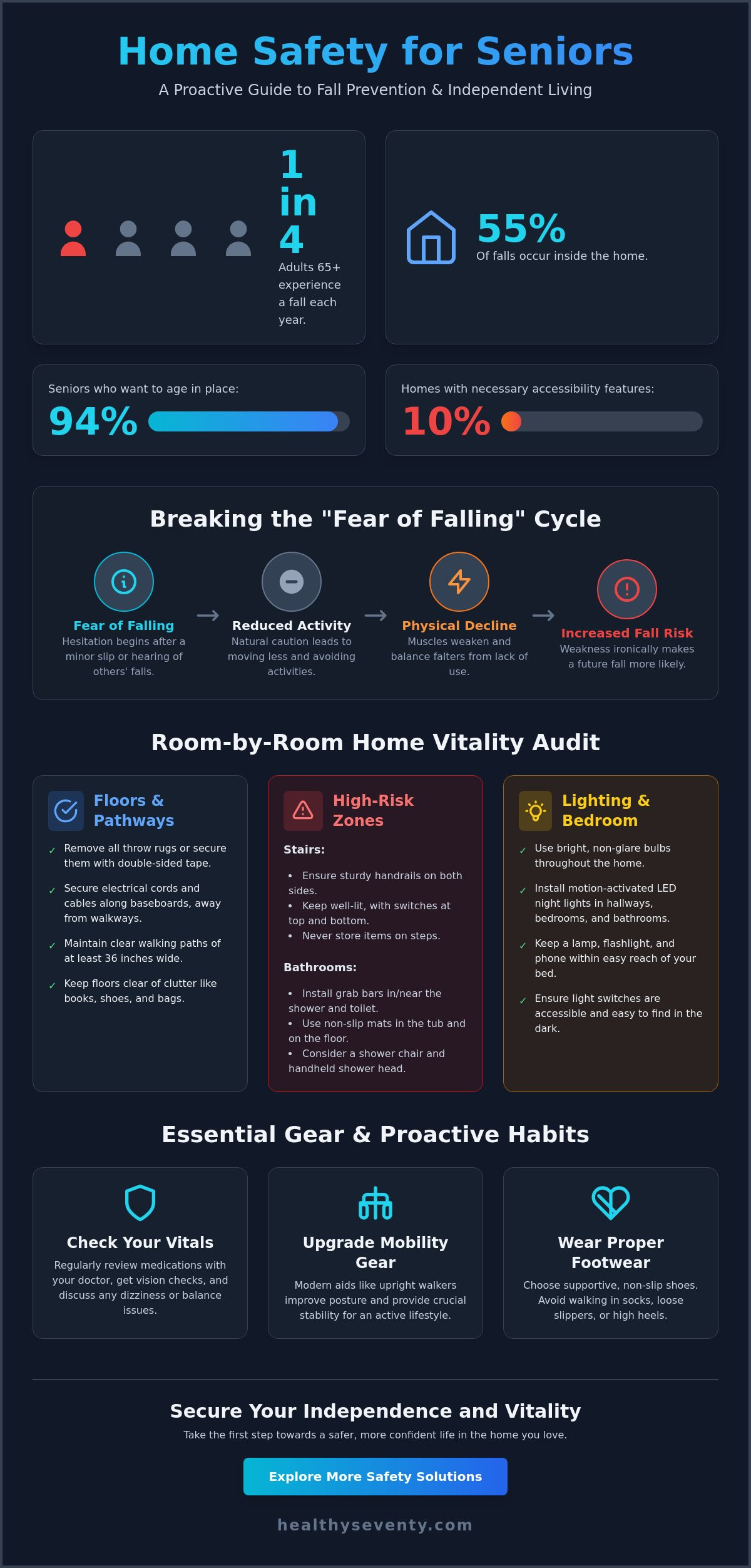
Did you know that one in four adults aged 65 and older in the U.S. experiences a fall every single year? With 55% of these incidents occurring right inside the house, mastering fall prevention for elderly at home isn't just a safety precaution; it's the key to protecting your cherished independence. You've worked hard to create a sanctuary where you feel most comfortable, and 94% of your peers agree that aging in place is a top priority. However, since only 10% of homes currently have the necessary accessibility features, taking a proactive approach today ensures you can move through your rooms with grace and confidence tomorrow.
It's understandable if the thought of modifying your living space feels overwhelming or expensive. You shouldn't have to choose between your safety and your sense of home. This guide provides a comprehensive, room-by-room checklist designed to eliminate risks and boost your daily vitality. You will find a clear, prioritized path to securing your environment while exploring how the right tools, from specialized footwear to mobility aids, can help you maintain your active social connections. We are going to transform your home into a space that supports your freedom and reflects your legacy.
Key Takeaways
Learn how to conduct a "Home Vitality Audit" to break the cycle of fear and maintain the physical strength necessary for independent living.
Secure the most hazardous areas of your residence, including stairs and bathrooms, using our prioritized room-by-room checklist for fall prevention for elderly at home.
Understand the critical link between your medications, vision, and balance to proactively prevent episodes of dizziness or disorientation.
Explore how upgrading to specialized mobility gear, such as an upright walker, can restore your posture and provide the stability needed for an active lifestyle.
Build a lasting safety plan through seasonal home sweeps and clear communication strategies that keep your family and guests informed.
Table of Contents
The Foundation of Independence: Why a Fall Prevention Plan Matters
Maintaining your independence isn't about avoiding the inevitable; it's about curating an environment that honors your lifestyle and legacy. In 2026, we view a strategy for safety as a Home Vitality Audit. This proactive approach goes beyond simple caution. It's a commitment to your future self. When you prioritize fall prevention for elderly at home, you aren't just moving furniture or clearing paths. You're securing your right to wake up in your own bed, move through your kitchen with ease, and enjoy the sanctuary you've built over decades. Since 94% of adults aged 55 and older state that aging in place is a primary goal, this audit is the most significant investment you can make in your longevity.
Many people inadvertently fall into a restrictive cycle known as the "Fear of Falling." After a minor slip or even just hearing about a friend's accident, it's natural to become more cautious. However, this hesitation often leads to reduced physical activity. When you move less, your muscles weaken and your balance falters. This physical decline actually increases your risk of a tumble, creating a self-fulfilling prophecy. Breaking this cycle requires a shift in perspective. By following a comprehensive guide to fall prevention, you can replace hesitation with coordinated, confident action.
Understanding the Hidden Costs of a Fall
The impact of a fall extends far beyond a temporary bruise. A single hospital stay for a fall-related injury costs an average of $30,000, but the emotional price is often higher. Half of seniors hospitalized for a fall are eventually discharged to a nursing home rather than returning to their own residence. This transition can disrupt social connections and diminish your sense of self. It's vital to remember that falls are often preventable incidents rather than an unavoidable part of aging. Investing in proactive gear, such as the VOCIC Upright Walker, is a sophisticated way to maintain your mobility and social engagement before a crisis occurs.
The 2026 Approach: Technology Meets Comfort
Safety in 2026 feels like comfort, not a clinical chore. Modern fall prevention for elderly at home utilizes discreet technology like motion-activated lighting and smart sensors that blend into your decor. These tools provide a silent safety net without making your home feel like a medical facility. Today's mobility aids are designed with ergonomics and style in mind, helping you maintain a healthy posture that naturally improves balance. This checklist serves as your step-by-step path to confidence, ensuring your home remains a place of vitality and joy.
Room-by-Room Home Safety Audit Checklist
Securing your residence requires a methodical approach that prioritizes the areas where you spend the most time. Precision is key. While every corner of your house matters, focusing your energy on the stairs, bathroom, and bedroom provides the most immediate impact on your safety. A thorough strategy for fall prevention for elderly at home begins with the ground beneath your feet. Start by removing all throw rugs, which are notorious for catching heels and causing slips. If you have essential cords running across walkways, secure them firmly to baseboards or reroute them entirely. To ensure ease of movement, maintain a clear walking path of at least 36 inches throughout every room. This provides ample space for using a VOCIC Upright Walker without feeling restricted. For those who want a detailed guide to every nook and cranny, this room-by-room fall prevention checklist offers a fantastic starting point for your audit.
Lighting is your greatest ally in maintaining clarity and confidence. In 2026, the gold standard is LED motion-activated path lights. These sensors eliminate the need to fumble for switches in the dark, automatically illuminating your route to the bathroom or kitchen. Clear visibility is essential for identifying potential hazards before they become obstacles. In the bedroom, keep your phone and a lamp within easy reach of your bed. This ensures you don't have to navigate a dark room if you need to get up during the night. The "clutter factor" is often overlooked; keep floor spaces clear of books, shoes, and miscellaneous items that can easily become trip hazards.
The Bathroom: Eliminating Slippery Hazards
The bathroom is a high-risk zone, accounting for 30% of in-home falls. To reclaim this space as a safe sanctuary, install grab bars at the entry and exit points of the shower, as well as near the toilet. Ensure all tubs have non-slip surfaces or high-traction mats. For added comfort, consider a raised toilet seat or a walk-in tub, which significantly reduces the physical strain of daily transitions.
Stairways and Hallways: The Vertical Challenge
Stairways represent a significant transition point that requires extra attention. Verify that sturdy handrails are installed on both sides of every staircase, providing a reliable grip for your entire ascent or descent. You can enhance visual clarity by applying contrasting tape to the edges of each step, making them easier to distinguish. Finally, ensure that light switches are accessible at both ends of every hallway, so you are never left in the shadows while managing fall prevention for elderly at home.
Proactive Lifestyle Adjustments for Balance and Strength
While securing your physical environment is a vital first step, your personal "Biological Checklist" is equally important for maintaining vitality. True fall prevention for elderly at home requires a holistic look at how your body interacts with your surroundings. Start with a comprehensive medication review. Many common prescriptions can cause side effects like dizziness or orthostatic hypotension, a condition where your blood pressure drops suddenly when you stand up. By working with your doctor to manage these risks, you significantly reduce the chance of a sudden loss of balance. Don't overlook the power of hydration, either. Drinking enough water keeps your blood pressure stable and your mind sharp, ensuring you remain alert as you navigate your day.
Strength is a gift you give yourself through consistent movement. Since muscle weakness is present in 72% of fall patients, rebuilding your foundation is a high-priority task. You don't need a gym to see results. Simple, daily activities can make a world of difference. Consider these senior-friendly options:
Tai Chi: Often called "meditation in motion," this practice is world-renowned for improving balance and coordination.
Seated Strength Training: Using light weights or resistance bands while seated builds the core stability needed for safe transitions.
Gentle Yoga: This helps maintain the flexibility required to reach for items or step over small obstacles safely.
Consistency is more important than intensity. For more ideas on how to align your physical health with your home safety, you can refer to the National Institute on Aging's room-by-room fall prevention guide, which emphasizes the connection between your body and your living space.
Vision and Hearing: Your Sensory Safety Net
Your senses act as an early warning system for your environment. Annual eye exams are essential to check for cataracts or glaucoma, which can subtly steal your peripheral vision. Similarly, untreated hearing loss is closely linked to impaired balance because the inner ear is central to your body's orientation. Take a moment today for a simple check. Are your glasses clean? Is your prescription up to date? These small details are the pillars of your sensory safety net, helping you identify hazards before they lead to a slip.
Footwear: The Foundation of Every Step
The shoes you choose are the most direct point of contact between you and your home. Avoid the temptation to walk in socks or loose-fitting slippers, as these provide almost no traction on smooth floors. Instead, look for shoes with non-slip soles and firm heels that offer real support. Orthofeet Orthopedic Walking Sneakers provide lateral stability to prevent ankle rolls, ensuring every step you take is a confident one. By choosing footwear with secure closures rather than complicated laces, you eliminate another common trip hazard before you even leave your bedroom.
Essential Gear and Assistive Devices for Home Safety
While environmental audits and lifestyle changes build a strong foundation, the right assistive gear acts as your daily partner in maintaining confidence. Many seniors start with a simple cane, but there comes a time when a single point of contact isn't enough to provide the stability you deserve. Transitioning to more robust support isn't a sign of slowing down; it's a strategic move to ensure you stay active and engaged with your community. Investing in high-quality gear is a cornerstone of fall prevention for elderly at home, allowing you to navigate your sanctuary without the constant worry of a stumble. When selecting a walker, you should prioritize weight capacity, wheel size for smooth transitions over thresholds, and the comfort of the built-in seat for rest periods.
Upright Walkers vs. Traditional Walkers
The "Upright Walker revolution" has changed how we think about mobility. Traditional walkers often force a hunched, forward-leaning posture that can strain your back and neck while actually shifting your center of gravity into a less stable position. In contrast, an upright design allows you to stand tall, looking ahead rather than at your feet. This ergonomic shift significantly improves balance and reduces chronic pain. When evaluating these devices, look for features that support your specific lifestyle. A quality model like the VOCIC Upright Walker for Seniors offers locking brakes for security, ample storage for personal items, and a foldable frame that makes travel simple and stress-free.
Stability: Four points of contact provide a much wider base of support than a cane.
Posture: Upright designs keep your spine aligned and your eyes forward.
Comfort: Padded armrests and adjustable heights ensure the device fits your body perfectly.
Personal Emergency Response Systems (PERS)
Every senior who values their independence needs a reliable "Plan B" for help. A Personal Emergency Response System provides a safety net that actually grants you more freedom, not less. It removes the "what if" from your daily routine, knowing that assistance is just a button press away. For 2026, many prefer a Landline Personal Emergency Alert Device for its unwavering reliability within the home. This ensures that even if your mobile phone is out of reach or uncharged, you are never truly alone. Selecting the right tools is a vital part of your fall prevention for elderly at home strategy, giving both you and your family peace of mind.
When choosing a PERS, ensure the device is waterproof so it can be worn in the bathroom, where 30% of home falls occur. Look for long battery life and buttons that are easy to press even if your dexterity is limited. These devices aren't just for emergencies; they are tools for proactive living that protect your legacy of independence.
Creating Your Sustainable Fall-Free Lifestyle Plan
Embracing a lifestyle of safety is a continuous journey that evolves with you. Fall prevention for elderly at home is not a one-time checklist to be completed and forgotten. Instead, it's a living habit that ensures your sanctuary remains a place of freedom rather than a source of worry. By weaving these safety checks into the rhythm of your life, you transform a clinical chore into a ritual of self-care. This proactive mindset allows you to focus on what truly matters: your hobbies, your family, and your legacy. You are the architect of your own independence, and each small adjustment you make today is a gift to your future self.
Consistency is the secret to a long-term, fall-free lifestyle. While the initial modifications provide a foundation, seasonal changes can introduce new environmental challenges. Moss on outdoor steps in the spring or icy patches in the winter require a watchful eye. Research shows that home hazards contribute to 36% of falls, making regular maintenance a critical part of your strategy. When you treat your safety as a priority, you maintain the vitality needed to enjoy your home for years to come.
The Seasonal Safety Sweep
Mark your calendar for a "Safety Sweep" every spring and fall. This ensures your environment stays optimized as the seasons change. Follow these three essential steps to keep your home secure:
Step 1: Test every night light and motion sensor in your home. Replace batteries in your landline alert devices to ensure they are ready if you ever need them.
Step 2: Walk your outdoor paths. Look for uneven pavers, overgrown roots, or slippery moss that may have developed. Clear visibility and stable footing are just as important outside as they are inside.
Step 3: Re-evaluate your footwear. Look for wear and tear on the soles of your walking sneakers. If the tread is smooth, it's time for a fresh pair to maintain that essential lateral stability.
Building Your Support Team
You don't have to navigate this path alone. Advocating for your own safety is a sign of strength, not a loss of autonomy. Start by communicating clearly with your family and friends about your needs. Ask for help with heavy lifting or tasks that require reaching high shelves. You might also consider working with a physical therapist to create a balance routine that is tailored to your specific physical strengths. Many local senior centers offer resources for home safety assessments; these professionals can provide a fresh set of eyes on your living space. To find the right tools for your journey, explore our curated collection of mobility and safety aids designed to support your active life.
Taking charge of your future is an empowering choice. By mastering fall prevention for elderly at home, you are choosing a path of clarity and confidence. Your home should be a witness to your story, a place where you feel secure and celebrated. Stay proactive, stay connected, and continue to live your life with the vitality you deserve.
Your Path to a Confident and Vibrant Future
Securing your residence is a profound act of self-advocacy that ensures your legacy remains rooted in the place you love most. By conducting a meticulous room-by-room audit and committing to a seasonal safety sweep, you've transformed your environment into a supportive sanctuary. True fall prevention for elderly at home isn't just about removing hazards; it is about the powerful synergy between a safe space and a strong, active body. Whether you are refining your daily movement routine or upgrading your footwear for better stability, every choice you make today reinforces your independence for years to come.
At Healthy Seventy, we are dedicated to your vitality through expert-curated wellness advice specifically designed for those aged 60 and older. We specialize in solutions like the VOCIC Upright Walker, which prioritizes your posture and stability so you can move with grace and ease. Discover the best upright walkers and safety gear for your home at Healthy Seventy and take the next step in your proactive lifestyle. You have the wisdom and the tools to navigate this journey with confidence. Your future is bright, secure, and entirely your own.
Frequently Asked Questions
What is the #1 cause of falls in the elderly at home?
Physical weakness, particularly in the lower body, is the primary reason many seniors experience a fall. While a loose rug or a dark hallway might be the immediate trigger, a lack of muscle strength makes it much harder for your body to recover its balance after a slight stumble. Prioritizing gentle resistance exercises can help you build the physical foundation needed to navigate your living space with confidence.
Are upright walkers better than traditional walkers for balance?
Upright walkers offer a significant advantage because they allow you to stand with a natural, tall posture rather than leaning forward. This alignment keeps your center of gravity stable and reduces the strain on your back and neck. By supporting your weight through your forearms, these devices provide a more secure base that helps you feel steady and in control during your daily walks.
How can I make my stairs safer without a major renovation?
You can instantly improve stair safety by installing motion-activated LED lighting and applying high-contrast tape to the edge of each step. These simple additions provide the visual clarity you need to distinguish where one step ends and the next begins. Ensuring that you have sturdy handrails on both sides of the staircase offers the physical support necessary to manage these transitions without the need for expensive construction.
Does Medicare cover home safety modifications like grab bars?
Traditional Medicare generally does not pay for home safety modifications like grab bars or walk-in tubs because they are considered home convenience items rather than durable medical equipment. However, some Medicare Advantage plans have begun offering supplemental benefits that may cover these costs. It's a good idea to check with your specific plan provider to see if you qualify for any reimbursement for safety-related home improvements.
What are the best exercises for seniors to improve balance?
Tai Chi and seated leg lifts are excellent choices for building the core strength and coordination required for stability. These movements focus on controlled transitions and help your body maintain its orientation, which is a vital part of fall prevention for elderly at home. Even ten minutes of daily practice can significantly enhance your physical agility and give you the confidence to move freely throughout your residence.
What should I do immediately after a fall if I'm alone?
Stay as still as possible for several minutes to check your body for pain or serious injury before you try to move. If you feel able to get up, crawl toward a piece of heavy, stable furniture and use it to slowly pull yourself into a seated position. If you are hurt or cannot stand, use your Landline Personal Emergency Alert Device to call for assistance and stay as warm as you can while you wait.
How do I convince a parent to use a walker or medical alert device?
Focus the conversation on how these tools protect their freedom and allow them to stay in their home longer. You might explain that using a device like the VOCIC Upright Walker is a proactive way to keep enjoying their favorite activities without the fear of an accident. Emphasize that having a safety net in place gives the entire family peace of mind and supports their legacy of independence.
Are there specific shoes that help prevent falls for seniors?
The most effective footwear for fall prevention for elderly at home features high-traction rubber soles and firm, supportive heels that don't compress easily. Orthofeet Orthopedic Walking Sneakers are a great example, as they provide the lateral stability needed to prevent ankle rolls on smooth floors. It's best to avoid walking in socks or loose slippers, which offer very little grip and can easily lead to a slip on tile or wood surfaces.
Comments