
Thinning Hair Solutions for Seniors: 2026 Guide
- healthyseventy3
- 3 hours ago
- 12 min read
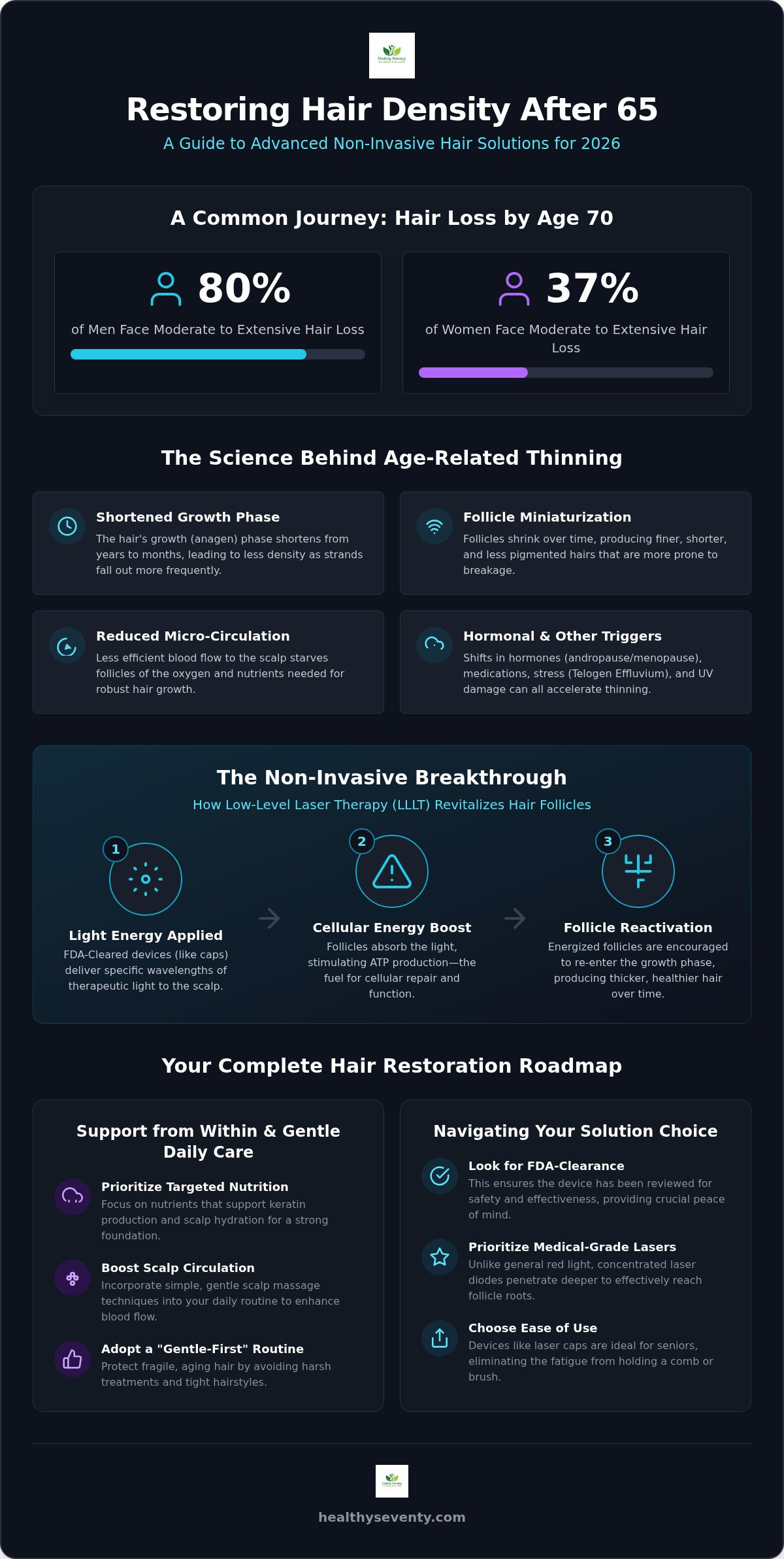
By the age of 70, approximately 80% of men and 37% of women over 65 face moderate to extensive hair loss. It’s a transition that often feels at odds with the energy and wisdom you carry, yet finding effective thinning hair solutions for older adults can be an overwhelming task. You’ve likely encountered a sea of conflicting advice or felt pressured by the high costs and recovery times of surgical transplants. We believe your hair care should be a source of empowerment, not a source of stress or physical discomfort.
This guide provides a clear, research-backed roadmap to restoring your hair density using the most advanced non-invasive methods available in 2026. We promise to show you how to achieve visible results and a renewed sense of confidence without resorting to invasive medical procedures. We’ll explore the science of scalp health, the convenience of FDA-cleared laser technology, and how to create a simple, high-quality routine that fits your lifestyle. You’ll gain the clarity needed to make informed choices that support your vitality and long-term well-being.
Table of Contents
Understanding the Biology of Thinning Hair in Older Adults
As we embrace the wisdom of our 60s and 70s, our bodies undergo a series of quiet transformations. One of the most visible changes is how our hair behaves. To find effective thinning hair solutions for older adults, it's vital to first understand that age-related thinning isn't just one single event. It's often a combination of natural aging and Pattern hair loss. While clinical hair loss might involve sudden patches or total shedding, age-related thinning is typically a gradual reduction in density. This happens because our hair's anagen, or growth phase, begins to shorten. Instead of growing for several years, each strand might only grow for a few months. Then, it falls out.
This process is often accompanied by follicle miniaturization. Over time, the hair follicles physically shrink. They produce strands that are finer, shorter, and less pigmented. Hormonal shifts play a massive role here. For women, the decline in estrogen and progesterone during menopause leaves hair more vulnerable to thinning. For men, changes in testosterone during andropause can have a similar effect. These biological shifts are why a standard shampoo often isn't enough; the issue starts deep within the scalp's architecture.
The Role of Micro-Circulation in Scalp Health
Healthy hair requires a constant supply of oxygen and nutrients delivered through tiny blood vessels. As we age, our micro-circulation often becomes less efficient. This decrease in blood flow is frequently linked to broader cardiovascular health. When follicles are starved of these essential building blocks, they can't sustain thick strands. Instead, they produce brittle, translucent hair that breaks easily. Improving this internal environment is a cornerstone of modern thinning hair solutions for older adults.
Common Triggers Beyond Genetics
While biology sets the stage, lifestyle factors often act as the directors. Many seniors take long-term medications for blood pressure or cholesterol, which can sometimes list hair thinning as a side effect. Additionally, significant life stressors can trigger Telogen Effluvium, a condition where a large number of hairs are pushed prematurely into the shedding phase. Environmental stressors, like cumulative UV damage and oxidative stress, also take a toll. Protecting the scalp from these external forces is just as important as addressing internal health.
Modern Non-Invasive Technologies for Hair Restoration
For many, the search for thinning hair solutions for older adults leads to a crossroads between pharmaceutical drugs and invasive surgeries. However, recent advancements in Low-Level Laser Therapy (LLLT) offer a third path that prioritizes both safety and convenience. This technology works by delivering specific wavelengths of light to the scalp, which follicles absorb to stimulate cellular ATP production. Think of ATP as the fuel your cells need to function; by boosting this energy, LLLT encourages dormant follicles to re-enter the growth phase. Because this method is entirely non-invasive, it bypasses the scalp irritation or systemic side effects often associated with long-term medication use.
FDA-Cleared Laser Hair Growth Caps
When you see a device labeled as "FDA-Cleared", it means the manufacturer has demonstrated that the product is safe and effective for its intended use. For seniors, this provides a necessary layer of trust and security. LLLT is a non-thermal light therapy that repairs follicle function through the application of low-intensity light energy. The cap design is particularly beneficial for those who may find holding a laser comb difficult due to shoulder or wrist fatigue. You simply place the cap on your head, press a button, and continue with your morning crossword or tea. Experts emphasize the importance of Diagnosing and treating hair loss early to achieve the best results with these at-home technologies.
Red Light Therapy vs. Traditional Lasers
It's helpful to distinguish between general red light therapy and medical-grade lasers. While both use light, traditional lasers provide a more concentrated beam that penetrates deeper into the scalp tissue to reach the follicle root. Consistent, low-intensity stimulation is the key to success; it’s a journey of patience rather than an overnight fix. This holistic approach to wellness often mirrors other modern treatments, such as non invasive joint pain relief, which also uses targeted energy to support the body’s natural healing processes. By integrating these curated technologies, you can maintain your vitality from head to toe. If you're ready to explore a professional-grade option, an FDA-Cleared Laser Hair Growth Cap offers a reliable way to start your restoration journey at home.
Nutrition and Lifestyle Shifts for Thicker Hair
The foundation of any successful restoration plan starts on your plate. While high-tech tools provide the external stimulus, your body needs the raw materials to build new strands from the inside out. Hair is primarily composed of a protein called keratin, and as we age, our bodies become less efficient at processing the proteins we consume. For those seeking effective thinning hair solutions for older adults, increasing the intake of high-quality, lean proteins is a fundamental first step. Without adequate protein, the body prioritizes vital organs over hair follicles, leading to increased shedding and slower regrowth.
Hydration and micronutrients also play a starring role in scalp health. Water is the primary transport mechanism for nutrients; if you're dehydrated, your follicles are essentially "starved." Additionally, deficiencies in Vitamin D and Iron are incredibly common in the golden years and are directly linked to hair thinning. Chronic low-grade inflammation can also damage the delicate environment of the scalp. By focusing on an anti-inflammatory diet rich in antioxidants, you can protect your follicles from oxidative stress and help them remain in the growth phase for longer periods.
Collagen and Amino Acids for Structural Integrity
Natural collagen production begins to decline significantly after age 60, which impacts the thickness and elasticity of the scalp dermis. A thinner scalp provides less support for hair roots, making them more prone to falling out. Supplementing with collagen or consuming amino acids like cysteine and lysine can help reinforce the hair's structural integrity. To ensure these nutrients are properly absorbed, the quality of your water matters. Integrating senior friendly water filtration systems ensures your body isn't working against contaminants while trying to process these life-giving building blocks.
The Scalp-Microbiome Connection
Recent research highlights a fascinating link between your gut health and your scalp. A balanced microbiome helps manage systemic inflammation, which in turn prevents the "glycation" of hair follicles. Glycation occurs when excess sugar molecules bond to proteins, making them stiff and brittle. By reducing processed sugars and incorporating probiotics, you can create a more hospitable environment for hair growth. Understanding how hair changes with age allows you to make these proactive lifestyle shifts with confidence, knowing that your internal health is the ultimate partner to your external care routine.
Scalp Health and Daily Maintenance Strategies
As we've explored the internal biology and modern tech, it's time to focus on the daily interactions you have with your hair. Maintenance is about preservation. Fragile aging follicles require a "gentle-first" philosophy to prevent unnecessary breakage. Many thinning hair solutions for older adults focus solely on growth; however, keeping the hair you currently have is equally vital. A healthy scalp environment should be clean but never stripped of its natural, protective oils. When sebum is allowed to build up, it can clog pores and stifle new growth, making regular but careful cleansing essential.
Regular scalp massage is a simple, cost-free way to boost natural circulation. By using your fingertips to apply light, circular pressure, you encourage blood flow to the follicle base. This practice complements the cellular stimulation provided by laser therapy. Additionally, switching to pH-balanced products ensures your scalp’s protective barrier remains intact. Avoiding harsh chemical dyes and excessive heat styling is non-negotiable if you want to maintain strand thickness. These stressors can cause the hair shaft to become porous and prone to snapping, which negates the progress made through nutrition and technology.
The 5-Step Gentle Cleansing Protocol
Washing your hair should be a restorative ritual rather than a chore. Follow these steps to maximize scalp health without causing stress to delicate strands:
Step 1: Pre-wash scalp stimulation. Spend two minutes gently massaging your dry scalp to loosen sebum and debris before getting in the shower.
Step 2: Use lukewarm water. Hot water can inflame the scalp and weaken the hair shaft; lukewarm water preserves the integrity of the hair's cuticle.
Step 3: Apply sulfate-free, volumizing cleansers. Look for formulas that provide "lift" without using harsh detergents that dry out the aging scalp.
Step 4: Deep condition the ends. Focus your conditioner only on the mid-lengths to ends to avoid weighing down the roots or clogging follicles.
Step 5: Pat dry with a microfiber towel. Never rub your hair; instead, gently squeeze out excess moisture to prevent friction damage.
Nightly Scalp Care Routines
Recovery happens while you sleep. Switching to silk or satin pillowcases is a minor change that yields major benefits by reducing friction that leads to morning tangles and breakage. Applying a lightweight, non-greasy scalp serum before bed can provide a concentrated dose of nutrients during the body's natural repair cycle. Finally, prioritizing sleep hygiene and mindfulness helps lower cortisol levels, which is a known factor in hair longevity. For a curated selection of tools that support this gentle approach, explore the wellness resources at Healthy Seventy to find products designed for your specific needs.
Navigating the Selection of Hair Growth Solutions
Choosing thinning hair solutions for older adults requires a discerning eye and a focus on scientific evidence over marketing hype. The wellness market is often saturated with "miracle" cures that promise overnight results, yet these rarely account for the specific biological needs of aging follicles. Instead of chasing every new trend, prioritize solutions with clinical backing and a clear safety profile. It’s also important to recognize when to start at-home care versus when to seek a professional diagnosis. If you’re experiencing gradual thinning, at-home technology is an excellent starting point. However, if you notice sudden patches of loss or scalp pain, consulting a dermatologist is a necessary step to rule out underlying medical conditions.
Patience is perhaps the most critical ingredient in any restoration journey. As we established in the biological overview of hair cycles, follicles do not respond instantly. Because the transition from the resting phase back to the growth phase is a slow biological process, most users won't see visible changes for four to six months. Consistency is the bridge between starting a routine and seeing a denser, more vital reflection in the mirror. Rushing the process only leads to frustration; instead, trust the steady, methodical approach that non-invasive technology provides.
Criteria for Choosing an At-Home Device
When evaluating technology like the FDA-Cleared Laser Hair Growth Cap, senior-friendliness should be a top priority. Many devices are designed without considering those who may manage arthritis or limited shoulder mobility. Look for these specific features to ensure your investment is both effective and easy to use:
Clinical Study Backing and FDA Clearance: Ensure the device has been rigorously tested for both safety and efficacy in human trials.
"Set it and Forget it" Functionality: Look for caps with automatic timers and hands-free operation so you don't have to track the minutes yourself.
Warranty and Senior-Focused Support: A reliable company should offer a robust warranty and accessible customer service to help you navigate any technical questions.
Lightweight Design: The device should be comfortable enough to wear during your daily activities without causing neck or head strain.
Creating Your Personalized Restoration Plan
True success comes from a multi-pronged approach that combines technology, nutrition, and gentle maintenance. Think of your hair restoration as a garden; the laser provides the sunlight, your nutrition provides the soil, and your daily care routine is the weeding and watering. While it's important to set realistic expectations, aiming for improved density and strand strength rather than a total return to your teenage hairline, the results can be life-changing. Taking proactive steps toward hair health is a powerful act of self-care. It’s an investment in your confidence and a reflection of the vitality you continue to cultivate in your 60s, 70s, and beyond.
Embracing a Future of Vitality and Confidence
You now have a comprehensive roadmap to navigate the changes in your hair with grace and scientific clarity. By combining advanced, non-invasive technology with a focus on targeted nutrition and gentle daily care, you're doing more than just addressing a cosmetic concern; you're investing in your overall sense of vitality. Finding effective thinning hair solutions for older adults doesn't have to be a source of confusion or fear. Instead, it can be a rewarding part of your daily wellness ritual that honors the wisdom and experience you've gained over the decades.
We invite you to explore our curated selection of senior-friendly wellness solutions at Healthy Seventy. Our platform serves as a dedicated researcher, offering expert-vetted product guides and empathetic support tailored specifically for the 60+ community. We focus on FDA-cleared, non-invasive technology to ensure you feel empowered and safe at every step. Your journey toward thicker, healthier hair is a testament to your commitment to proactive living. Stay patient, stay consistent, and remember that your well-being remains our highest priority.
Frequently Asked Questions
Is it too late to start hair thinning treatments after age 70?
It is never too late to begin a restoration journey as long as your hair follicles are still active and have not been replaced by scar tissue. While results may take slightly longer than they would for someone in their 40s, many individuals over 70 see a noticeable improvement in density and strand strength. Starting now allows you to preserve your existing hair while optimizing the scalp environment for future growth.
Are laser hair growth caps safe for seniors with other health conditions?
Laser hair growth caps are generally considered very safe for seniors because they use non-invasive, non-thermal light therapy that doesn't interfere with internal organs. Since the technology is localized to the scalp, it doesn't typically interact with medications for heart health or diabetes. We always recommend a quick conversation with your primary care physician if you have a history of skin cancer or are using photosensitizing medications.
How long does it take to see results from non-invasive hair solutions?
You should expect to see visible results within four to six months of consistent use. This timeline aligns with the natural biological hair growth cycle, as it takes time for follicles to shift from the resting phase back into the active growth phase. While some users notice a reduction in shedding within the first few weeks, the true increase in density requires patience and a steady daily routine.
Can certain medications cause my hair to thin as I get older?
Several medications commonly prescribed to older adults can contribute to hair thinning as a secondary side effect. Drugs for high blood pressure, cholesterol, and even certain blood thinners are known to occasionally trigger shedding. If you suspect your medication is the cause, don't stop taking it; instead, discuss your concerns with your doctor to see if an alternative is available or if you can supplement your routine with other thinning hair solutions for older adults.
What is the best type of shampoo for thinning hair in older adults?
The best choice is a sulfate-free, pH-balanced shampoo specifically formulated for aging or fragile hair. You want to avoid harsh detergents like sodium lauryl sulfate, which can strip the scalp of the essential oils needed to maintain follicle health. Look for ingredients that provide volume without weight, ensuring your hair looks fuller while your scalp remains hydrated, calm, and free of inflammatory buildup.
Does scalp massage really help with hair growth in seniors?
Scalp massage is an effective, evidence-based way to support hair growth by increasing micro-circulation to the follicles. By gently stimulating the scalp for a few minutes each day, you encourage blood flow, which delivers the oxygen and nutrients necessary for hair production. This practice is particularly beneficial for seniors, as natural circulation often slows with age, making this simple habit a vital part of a holistic restoration plan.
Can I use a laser hair growth cap if I have gray or color-treated hair?
You can absolutely use a laser hair growth cap regardless of whether your hair is gray, white, or color-treated. The laser energy targets the hair follicle beneath the skin's surface rather than the pigment of the hair strand itself. This makes it an inclusive solution for those who embrace their natural silver or those who prefer to maintain their color with professional dyes without worrying about interference.
Are there any side effects to using LLLT at home?
Low-Level Laser Therapy (LLLT) is known for having a very high safety profile with minimal side effects. Some users might experience a temporary, slight itching or a mild redness on the scalp as circulation increases during the first few sessions. These sensations are usually short-lived and are often a sign that the follicles are responding to the light energy. It remains one of the most comfortable thinning hair solutions for older adults available today.
Comments